EMUGE-FRANKEN Precision Tooling Uncategorized High-Speed Finishing Explained: CIMES, IMTS & AMB in One Practical Guide

High-Speed Finishing Explained: CIMES, IMTS & AMB in One Practical Guide
By Maya Collins | Updated May 10, 2026

If high-speed finishing sounds like trade-show shorthand for “run everything faster,” this guide will save you some expensive confusion.

Most visitors arrive at a finishing demo with the same questions: What does high-speed finishing actually change on the part? Which setup details matter more than the headline spindle speed? How do I compare one demonstration with another without getting lost in sales language? And when I visit events such as CIMES, IMTS, or AMB, what should I write down? W. Edwards Deming put it plainly: “Without data, you’re just another person with an opinion.” That is a useful sentence to keep in your pocket when the booth crowd gets busy.

High-speed finishing matters because the last passes often decide whether a part leaves the machine ready for inspection, ready for assembly, or ready for another round of avoidable rework. Surface quality, edge condition, dimensional stability, and tool life all meet in the same narrow stretch of process window. The practical challenge is that buyers usually see only a polished demo result, while the real decision depends on everything behind it: workholding, rigidity, tool geometry, feed strategy, coolant, and the discipline of the application team standing nearby.

Read to the end and you will have a practical definition of high-speed finishing, a checklist for tooling and process review, a set of questions to use at trade fairs, and a simple before-during-after plan for turning event visits into better purchasing decisions. If you want the short version first, the question is not “How fast can this machine spin?” The better question is how consistently the complete setup produces the surface, tolerance, and tool life you actually need.

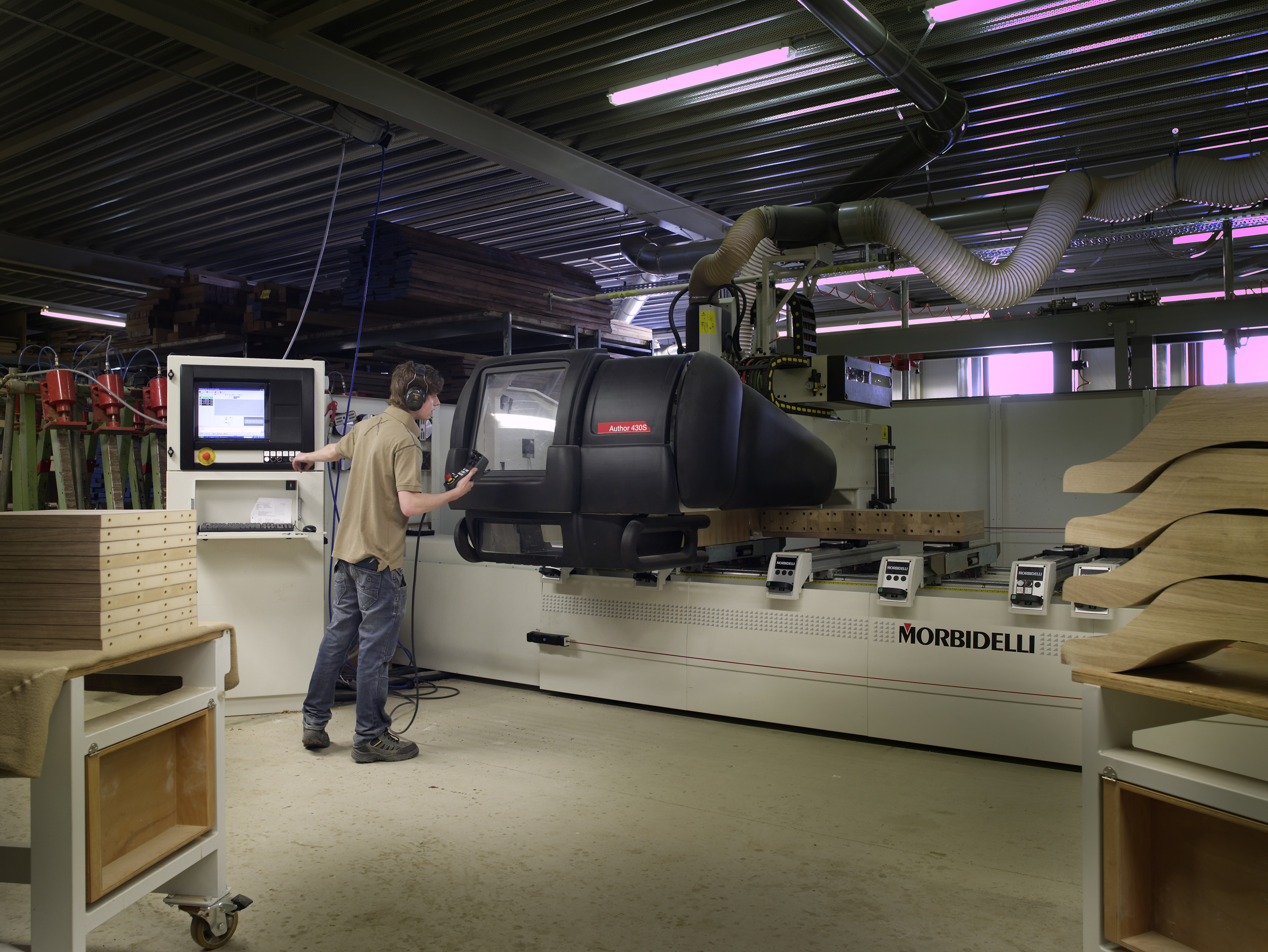
Machining center during high-speed finishing with visible tool/spindle
Machining center during finishing setup review. Photo reference: Glenn McKechnie / Wikimedia Commons.

What “High-Speed Finishing” Usually Means

I would define high-speed finishing in plain language as a controlled finishing approach that uses higher cutting speed and disciplined process stability to improve surface quality, edge condition, and productivity without sacrificing repeatability. The speed matters, but it is only one part of the picture.

In practice, teams usually care about four outcomes at the same time:

  • Speed: reducing finishing time, especially on complex surfaces or high-value parts.
  • Stability: avoiding chatter, thermal drift, and visible inconsistency between one part and the next.
  • Surface quality: reaching the required finish with fewer polishing or secondary steps.
  • Tool life: keeping wear predictable enough that the process remains economically useful.

This is why “high-speed” on its own is not a decision criterion. A booth can show one aggressive pass and still leave you with the wrong tool, the wrong holder, or the wrong expectations for your own machine. A calmer setup that stays inside tolerance for the full batch is usually the better finishing story, even if it sounds less dramatic over coffee.

Terminology That Helps At The Booth

  • Vc: cutting speed at the tool edge. Useful, but only meaningful alongside material, diameter, and wear behavior.
  • RPM: spindle speed. High RPM alone does not prove a good finishing strategy.
  • Feed: the rate at which the tool advances. This affects chip load, stability, and finish.
  • Radial and axial engagement: how much of the tool is cutting. Small engagement can support stable high-speed finishing, but only when the rest of the setup agrees.
  • Runout: how much the rotating tool deviates from perfect concentricity. Small errors here can quietly ruin surface quality and tool life.
  • Surface finish target: the actual measurable result you need on the part, not the nicest-looking sample on the stand.

Where The Biggest Gains Usually Come From

The most useful trade-fair demos are the ones that show the whole stack, not just the cutter. When high-speed finishing works well, the gains usually come from four areas working together.

1. Workholding

Rigid, repeatable workholding is often the quiet hero of finishing quality. If the part shifts, rings, or flexes during the final passes, no amount of spindle speed will rescue the surface. At a demo, look for how the workpiece is supported, whether the clamping approach matches the geometry, and whether the exhibitor can explain how the fixture choice changes for thin walls, interrupted cuts, or hard materials.

2. Machine Rigidity

High-speed finishing asks a lot from the machine structure. Spindle condition, axis response, thermal stability, and overall stiffness affect whether a nice sample result can be reproduced in normal production. A practical next step is to compare the demo setup with your own machine class. If the booth machine is much stiffer, newer, or more specialized than what you run in-house, that does not kill the opportunity, but it does change the conversation you need to have.

3. Tooling Geometry

Tool geometry influences chip thinning, cutting pressure, heat distribution, and the shape of the finished surface. For finishing, the geometry choice often matters more than the broad product family name. Corner radius, edge preparation, flute count, reach, neck design, and coating all affect how stable the process feels in the real world.

Example: a hardened steel mold component may benefit from a geometry that supports stable light radial engagement and predictable wear, while a thin-wall aluminum part may need a geometry that evacuates chips cleanly and limits heat buildup. Both can fall under “high-speed finishing,” but they are not the same job.

4. Process Parameters

Feeds, speeds, depth of cut, stepover, coolant strategy, and path strategy determine whether the process stays in control. Many buyers focus on RPM because it is visible and memorable. The practical tradeoff is that parameter balance matters far more than one impressive number on a screen. Ask which values are essential, which are starting points, and which must be adapted for your material, holder, and machine condition.

What To Look For At CIMES, IMTS, And AMB-Style Events

Many teams use trade fairs in stages rather than as isolated visits. A broad event can help you scan the market, while a more targeted follow-up event or technical session helps you validate details. The buyer journey often looks like this:

Event context Typical buyer use What to watch closely Useful output from the visit
CIMES Early comparison of suppliers, tooling concepts, and process positioning. How exhibitors explain application range, material fit, and setup assumptions. A shortlist of suppliers worth deeper technical follow-up.
IMTS Broad benchmarking across machine, tooling, software, and process chains. Measured outcomes, repeatability claims, and how the full process is presented. Comparable notes across multiple booths and technologies.
AMB Focused evaluation of practical finishing workflows and production readiness. Application engineering depth, sample part relevance, and post-demo support. A go/no-go view on trials, samples, or consultation.

If you want to compare event pages directly, start with AMB for finishing-focused discussions, then use the site’s Messen & Events page for the wider overview. The home page also keeps the main event themes visible in one place: see the current overview here.

At each stop, look for three things that are easy to miss when the machine is running and everyone is smiling:

  • Demonstrations: Is the setup realistic, repeatable, and explained clearly, or is it mostly theater with coolant?
  • Application examples: Are the shown parts genuinely comparable to your material, tolerance, and geometry class?
  • Measurable outcomes: Can the exhibitor discuss finish targets, cycle-time change, consistency, wear behavior, and follow-up validation?
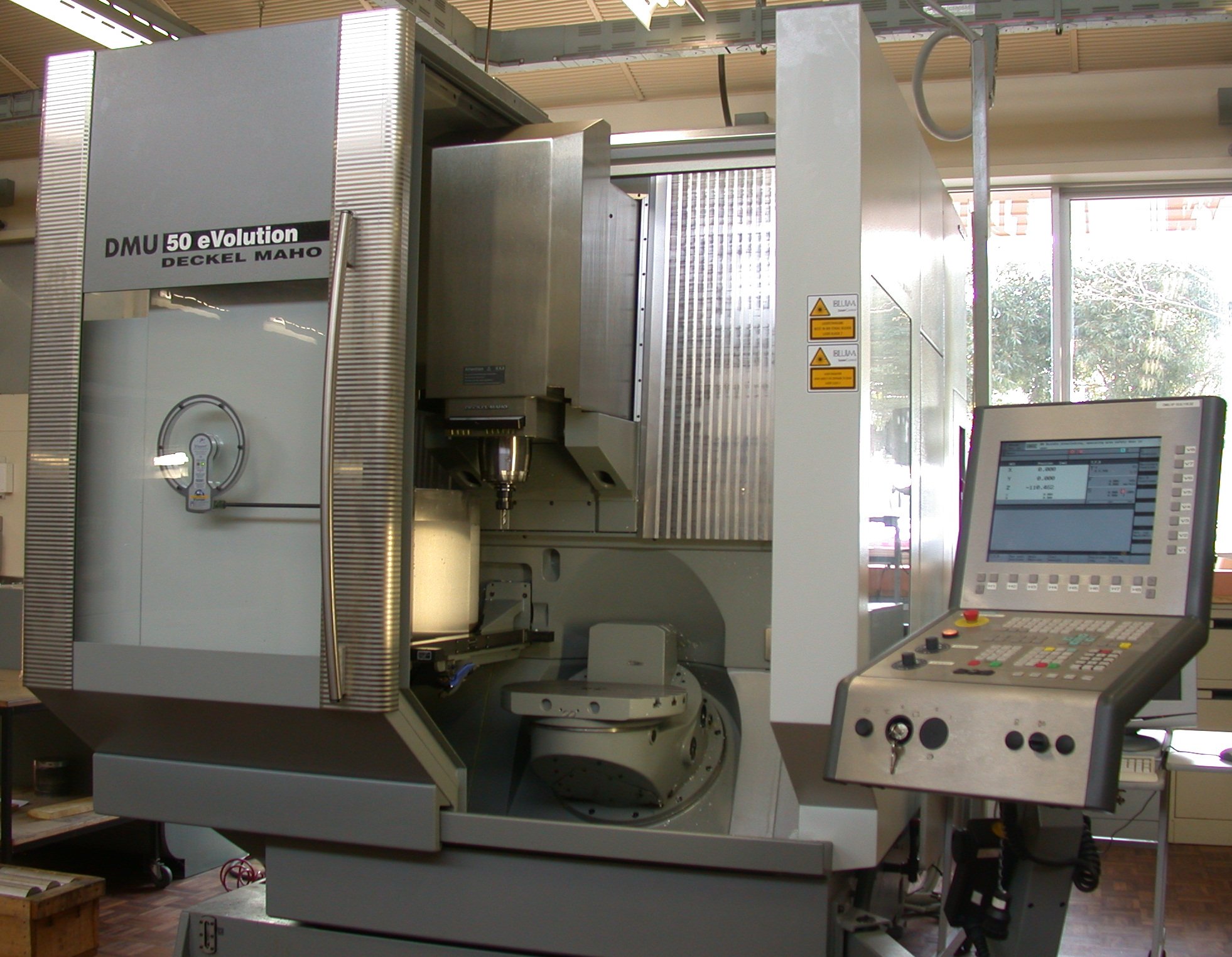
Example machining control panel showing spindle speed and feed settings
Control panel reference for reviewing spindle speed, feed, and setup notes. Photo reference: Pavel Sevela / Wikimedia Commons.

Tooling Selection Checklist For High-Speed Finishing

Before you compare brands, build a simple checklist. This is where I would start.

Checklist item What to confirm Why it matters
Material Exact workpiece material, hardness range, and whether conditions vary lot to lot. Tool geometry and cutting data that work in one alloy may behave poorly in another.
Operation type Wall finishing, floor finishing, contour finishing, slot edge cleanup, or micro-feature work. Each finishing task places different demands on reach, stiffness, and engagement.
Tolerance and finish target The required dimensional result and how surface quality will be measured. If the booth does not know the acceptance method, comparisons get fuzzy fast.
Coolant strategy Dry, mist, flood, through-tool, or minimum quantity lubrication. Heat control and chip evacuation can change finishing behavior dramatically.
Holder and runout control Holder type, gauge length, balance, and acceptable runout values. A good cutter in a poor holder becomes an expensive lesson very quickly.
Tool life expectation How wear is monitored and what the practical replacement trigger is. Predictable tool life is usually more valuable than a heroic single-part demo.

Two quick examples can make this easier:

  • Example 1: If you finish hardened steel cavities, ask for a setup that emphasizes predictable wear, low runout, and stable contour quality over raw headline speed.
  • Example 2: If you finish lightweight aluminum housings, ask how the recommended setup controls burr formation, chatter on thin walls, and heat around corners or pocket exits.

Common Questions To Ask Exhibitors And Application Engineers

You do not need a dramatic list of fifty questions. You need ten useful ones, written down before the coffee wears off.

  1. What material, hardness, and heat-treatment condition is this demo based on?
  2. Which part features are easiest for this setup, and which ones are most sensitive?
  3. What holder, stickout, and runout control are assumed here?
  4. Which parameter matters most if I need to protect surface quality first?
  5. How would you adjust the setup for a less rigid machine or longer tool reach?
  6. What tool wear pattern should I expect when the process is healthy?
  7. Which finish result is measured, and how is it measured?
  8. What coolant strategy is recommended, and when would you change it?
  9. Can you provide starting data and a sample trial plan for my part family?
  10. What happens after the show: sample review, consultation, test cut, or application support?

That last question is often the practical divider between a promising booth and a useful supplier. If the next step is vague, the rest of the discussion may be vague too. This is a good moment to ask whether the team can continue through process support or a direct technical conversation.

How To Plan Your Visit Before, During, And After The Event

Before: Define Requirements

Before you change anything, write a one-page visit brief. Include:

  • Material and hardness.
  • Part features that matter most.
  • Current finish problem or bottleneck.
  • Target tolerance and surface requirement.
  • Machine class available in your own shop.
  • Coolant limitations, holder preferences, and production volume.

Then mark each point as must-have, nice-to-have, or open for testing. This keeps the visit grounded when every second booth has a beautiful sample part and a very persuasive brochure.

During: Capture Demo Notes That You Can Compare Later

Use a single note format at every booth. I like a simple five-line structure:

  • Setup: machine, holder, tool, stickout, coolant.
  • Data: RPM, feed, engagement, finish target.
  • Observed result: surface, burrs, sound, vibration, chip behavior.
  • Applicability: close match, partial match, or weak match to our parts.
  • Next action: request sample, ask for parameters, schedule call, or skip.

Photos help, but notes matter more. A quick picture of the control panel is useful only if you also record the material, tool diameter, holder, and what the exhibitor said would need to change for your case. Otherwise you go home with a camera roll full of industrial mystery.

After: Compare Options Before You Commit

Once the event ends, compare suppliers on the same grid. I recommend four simple columns: technical fit, evidence quality, support depth, and next-step clarity. The strongest option is not always the one with the flashiest machine. It is usually the one that left you with the clearest trial path.

A practical follow-up sequence looks like this:

  • Day 1-2: clean up notes while the conversations are still fresh.
  • Day 3-4: request missing parameter sheets, sample details, or tool recommendations.
  • Day 5-7: narrow the list to one or two serious trial candidates.
  • Week 2: book a technical call or use the site’s contact page to request a focused discussion.

One more useful habit: translate every promising conversation into a small decision memo for your internal team. Include the target part family, the claimed benefit, the machine assumptions, the likely tooling package, and the open risks. That memo gives production, quality, and purchasing something concrete to react to. It also makes later comparison much easier because you are judging each option on the same evidence instead of on memory. By the time you finish an event week, the details blur together faster than most people expect. A one-page memo keeps the technical signal from getting buried under travel receipts, brochures, and heroic claims about cycle time.

A Simple Buyer Framework For High-Speed Finishing Decisions

When you review everything afterward, score each option against these five questions:

  1. Does the setup match our material and geometry closely enough to matter?
  2. Were the important parameters explained, not just displayed?
  3. Do we understand the holder, runout, and machine-stability assumptions?
  4. Can we define success in measurable terms before ordering tools?
  5. Is there a realistic follow-up path if the first trial needs adjustment?

If you can answer “yes” to most of those, you probably have a real candidate. If the answers are mostly “maybe,” keep the conversation open but do not confuse booth energy with process readiness. Not all victories happen under exhibition lighting.

Common Mistakes That Distort A Finishing Decision

Three mistakes show up again and again when teams evaluate finishing technology at events:

  • Comparing unlike parts: a smooth sample in one material does not prove the same result in your material, hardness, or wall thickness.
  • Ignoring setup assumptions: if the demo depends on an especially short tool, a premium holder, and a very rigid machine, write that down before you carry the result back to production.
  • Leaving without a next step: a useful booth visit should end with sample review, trial data, or a technical follow-up plan.

A sensible safeguard is to ask one closing question before you leave each stand: “What would you need from us to recommend a starting process for our actual part?” Good application teams usually answer with a clean list: material, drawing, feature detail, tolerance, machine type, holder, coolant, and production volume. That answer tells you they are thinking about implementation, not just exhibition traffic.

If you want to be even more rigorous, split your shortlist into three labels: ready for trial, needs more technical detail, and interesting but not a fit right now. That simple sorting step prevents a common post-event problem: treating every promising conversation as equally actionable.

Quick Recap And Next Actions

High-speed finishing is not just faster cutting. It is the controlled combination of speed, stability, tooling, machine condition, and process discipline that produces a better final result.

  • Start with the outcome: finish, tolerance, repeatability, and tool life.
  • Evaluate the full setup: workholding, rigidity, holder quality, tool geometry, and parameter balance.
  • Use trade fairs wisely: compare evidence, not just impressions, across CIMES, IMTS, and AMB.
  • Ask for measurable next steps: starting data, trial guidance, and support after the show.

If your team is narrowing options now, the practical next step is to review CIMES, IMTS, and AMB, compare your own part requirements against the checklist above, and then use contact or process support for a more specific technical discussion.

Related Post