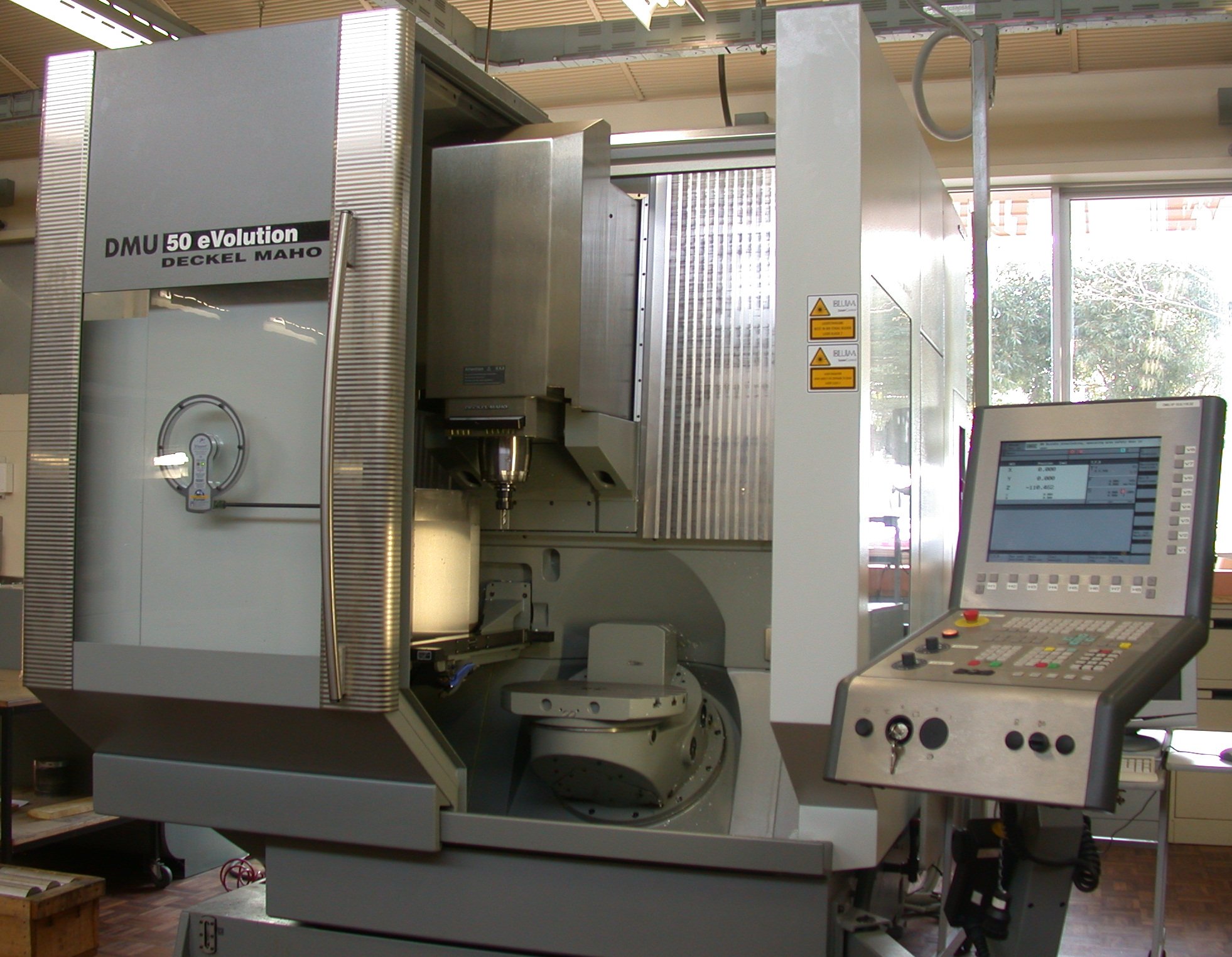
Before you book the demo, decide what question the demo is supposed to answer. If that sounds too obvious, good. Most bad demo meetings start with the opposite habit: people show up hoping the booth will explain itself. It will not. It will only consume your calendar with confidence.
This checklist is for engineers and purchasing teams who need a useful live demo of a micro CBN tool, not a sales performance dressed up as a process review. If you want the broader site context, the homepage gives the main entry point, while the About and Contact pages are there when you need background or a real conversation.
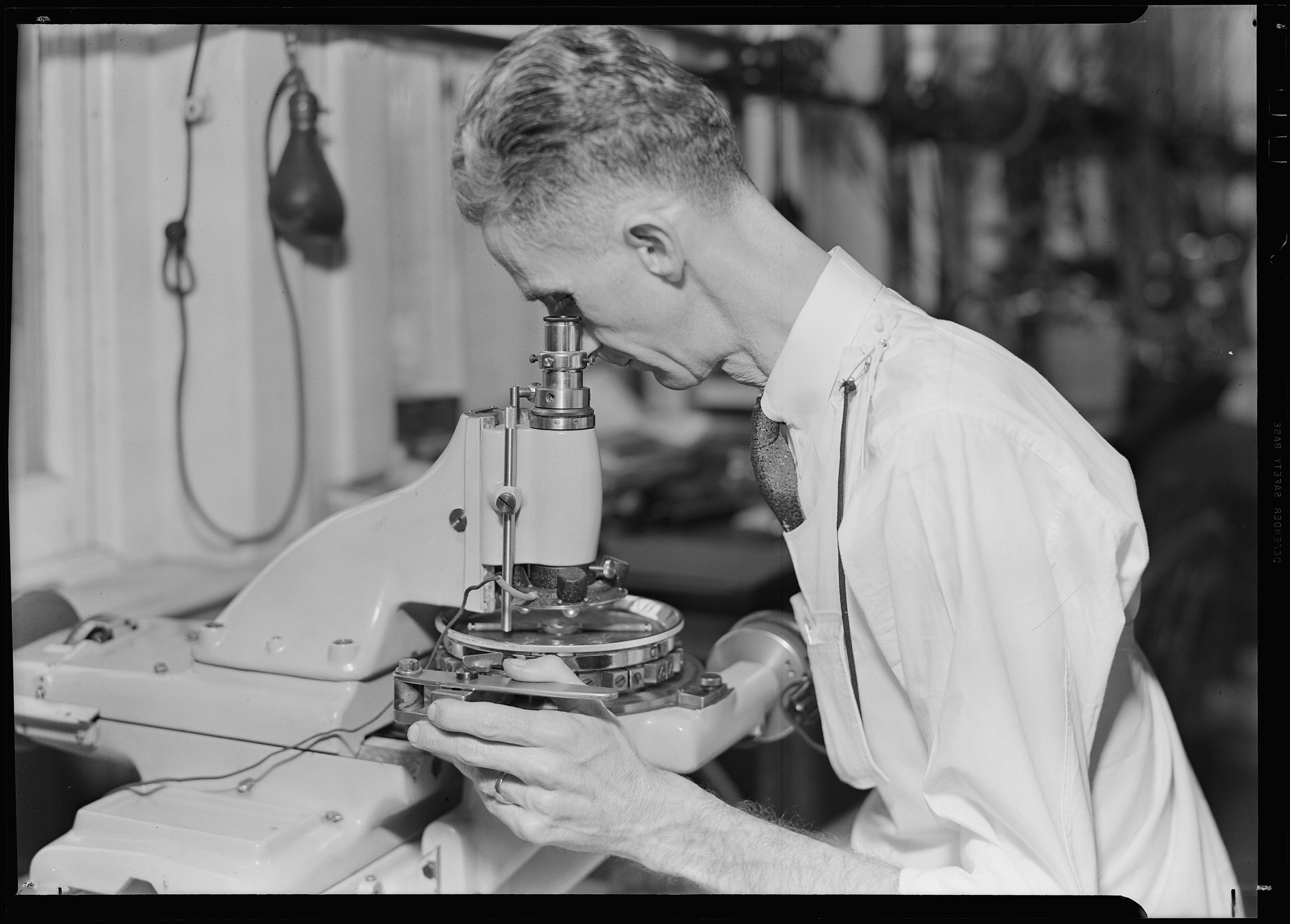
For a plain-language reminder that process control matters more than hopeful guesses, NIST’s manufacturing overview is a good reference point. If you need a refresher on roughness and measurement terms, Mitutoyo’s surface roughness guide keeps the language simple. And if the demo team starts tossing around cutting-data jargon like it is self-explanatory, Sandvik Coromant’s cutting data guide is a useful cross-check.
1. Define the process goal before you book anything
Do not ask for a live demo until you know what success looks like. Otherwise you are just asking someone else to spend your time for you.
- What exact part, feature, or defect are we trying to improve?
- Are we trying to reduce cycle time, improve surface finish, extend tool life, or prove repeatability?
- What result would make this demo worth a follow-up trial?
- What result would kill the idea immediately?
Example: if your real problem is finish consistency on a hardened steel feature, a polished sample on a soft test piece is not a useful answer. That is a detour with good lighting.
Write down one sentence before the meeting: “This demo must prove whether the tool can deliver X on Y material with Z level of repeatability.” If nobody can agree on that sentence, postpone the demo.
2. Ask about the workpiece material and geometry
Micro CBN tools are sensitive to the real part, not the brochure version of the part. Material condition and geometry will decide whether the demo means anything.
- What material will be used in the demo, and what is the hardness or heat-treatment state?
- Is the demo part close to our actual material, or just “similar enough” to be convenient?
- What geometry limits matter most: thin walls, tiny radii, grooves, steps, shoulders, or deep access?
- Which features are expected to be difficult, and how will those be handled during the run?
- What part geometry would be a bad match for this tool and process?
Example: if the vendor plans to demo on a broad, forgiving surface but your production part has a narrow groove and a fragile edge, the demo is not representative. It is a different problem with a friendlier mood.
If the answer to any geometry question is “we usually just see how it goes,” do not pretend that is a process strategy. It is a gamble with paperwork.
3. Ask about machine setup and measurement method
A live demo is only useful if the setup and measurement are clear. A good surface finish on an unclear setup is not proof. It is a story.
Ask these questions before you agree to a visit:
- What machine model will be used, and is it representative of our own setup?
- What holder, stick-out, and clamping approach will be used for the tool?
- How will runout be checked before the cut?
- What coolant strategy will be used: flood, through-tool, mist, air, or dry?
- What measurement method will prove the result: profilometer, optical inspection, comparator, or something else?
- Where on the part will the measurement be taken, and how many readings count?
For a sanity check on runout and measurement basics, Keyence’s run-out tolerance overview is a practical reference. The point is not to become a metrology zealot. The point is to stop people from hand-waving around the one detail that decides whether the result is repeatable.
Rule of thumb: if the demo team cannot tell you how the result will be measured before the demo begins, they are not ready to evaluate the process either.
4. How to judge surface finish and repeatability during the demo
Pretty is not a measurement method. A good demo should show surface finish quality and repeatability, not just one lucky part under flattering light.
- Ask what finish target is being claimed: Ra, Rz, visual quality, edge condition, or all of them.
- Ask how many parts must hit the target before anyone calls the setup stable.
- Ask whether the first part, best part, and steady-state part all look the same.
- Ask what changed when the process was repeated: tool wear, temperature, clamp force, or measurement location.
- Ask what the worst acceptable part looks like, not just the best one.
Example: a vendor shows one excellent sample after a warm-up run and calls it repeatable. That is not repeatability. That is a sample size of one, which is a charming way to lose money later.
Repeatability matters more than booth drama. If the finish can be reproduced three times in a row on the same material, under the same measurement method, then you have something worth discussing. If not, you have a nice sample and an expensive hypothesis.
5. What to request after the demo
Do not leave with applause and a business card. Leave with enough information to evaluate the setup honestly.
- A parameter sheet with machine, tool, holder, stick-out, coolant, speed, feed, and depth of cut.
- A clear measurement record, including where the reading was taken and what instrument was used.
- Photos of the setup, especially the tool, fixture, and part orientation.
- A sample part, if one can be shared safely and legally.
- A follow-up call or email with the application engineer who actually knows the run.
- A short trial plan that translates the demo into your own part family.
If the vendor can only offer a polite promise to “send something later,” assume the useful details are already in danger of disappearing. Ask for them before you leave.
6. A simple booking checklist
Use this as the final gate before you schedule the demo:
- We know the exact process question.
- We know the part material and geometry that matter.
- We know the machine, holder, and measurement method that will be used.
- We know what finish and repeatability will count as success.
- We know what documentation we will take away after the demo.
If any of those boxes are blank, the demo is not ready. That is not pessimism. That is how you avoid wasting an afternoon on a process that never had a fair chance.
For teams that want to compare demos against a real buying standard, the cleanest next step is to document the requirements first, then use the meeting to test those requirements instead of improvising new ones on the spot. When you are ready to move from questions to contact, go through Contact. If you want to keep browsing related tooling and event pages first, start at Blog and work back to Home.
Bottom line: ask the boring questions before the demo. Material, geometry, setup, measurement, repeatability, and follow-up documents decide whether the meeting is useful. Everything else is just a louder way to say “we looked at a machine.”