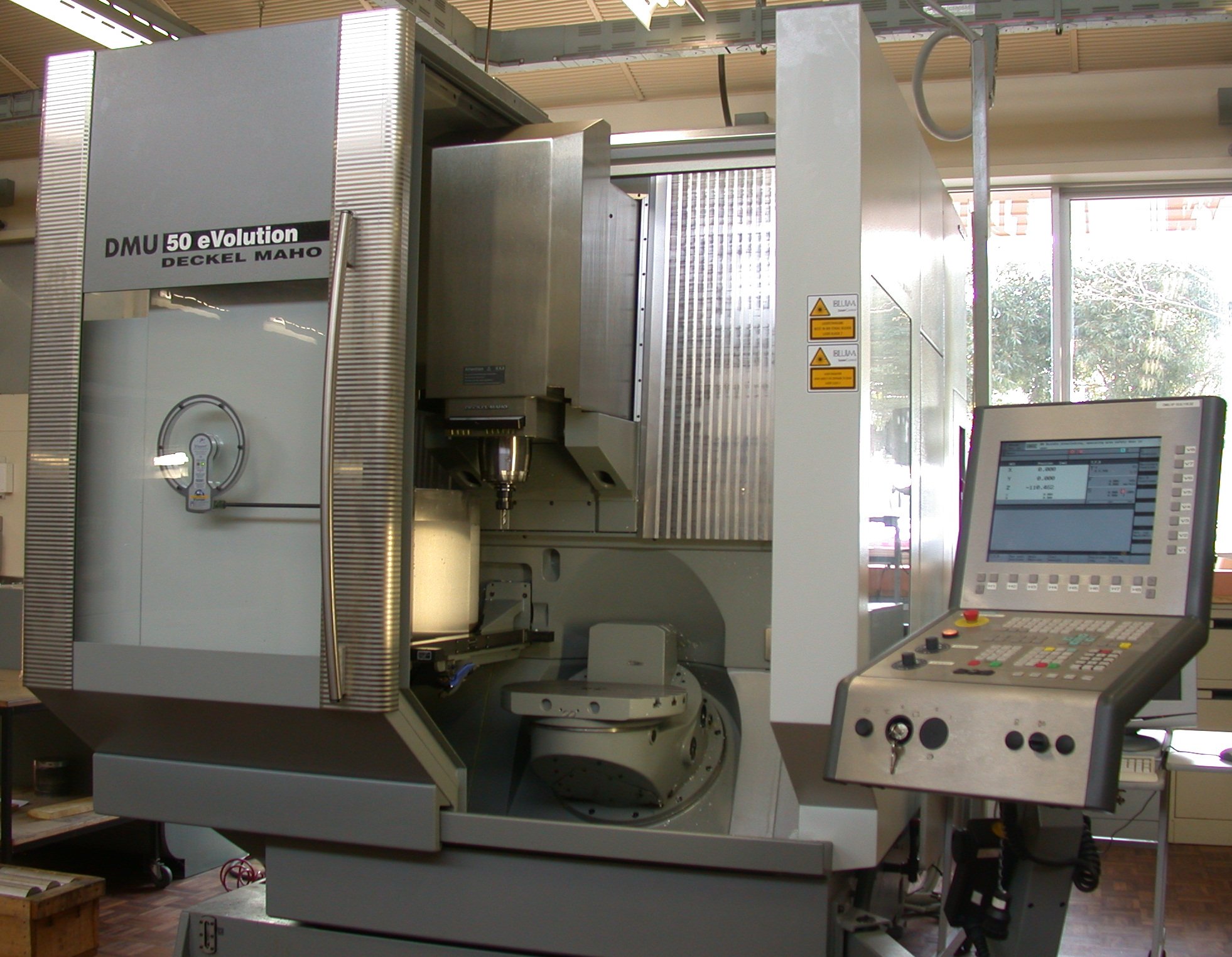
Overview of CNC training options
Choosing a training track for CNC precision finishing is less about picking the fanciest course title and more about matching the learning path to the work you actually need to do. A good track should connect machine setup, tool selection, surface quality, and process control into one usable workflow.
For a quick baseline on the machining side, the CNC milling overview on Wikipedia is a helpful refresher. For the classroom and qualification side, it is also worth checking the structure of local vocational pathways, such as the IHK Ausbildungsweekend 2016 page on this site, which reflects how structured entry and retraining programs are often presented.

Factors to consider
The right track depends on the gap between where someone starts and what they need to do independently. That gap is the whole game.
- Current skill level: beginner, operator, setup technician, programmer, or process engineer.
- Part type: flat surfaces, contours, tight tolerances, or repeatable finishing on production parts.
- Machine access: classroom only, simulator, trainer machine, or live production equipment.
- Tooling focus: cutter geometry, wear control, runout, coolant strategy, and inspection methods.
- Output requirement: certificate, internal competency, faster setup, better finish quality, or fewer scrap parts.
If a program cannot explain how it handles measurement, tool wear, and surface consistency, it is probably teaching theory with a badge attached. That is not useless, but it is not the same thing as precision finishing competence.
For a standards-oriented view of machining education and process control, the ISO machining-related standard reference can help frame how formal process definitions are used in industry. If the track is tied to workforce development, the NIST site is another reliable place to understand how measurement, traceability, and manufacturing capability are discussed in practice.
Popular training tracks
| Track | Best for | What to look for |
|---|---|---|
| Operator fundamentals | New hires and cross-training | Safe setup, machine basics, tool changes, simple inspection |
| Precision finishing focus | Teams chasing better surface quality | Toolpath strategy, feed/speed tuning, runout control, finish verification |
| Programming and CAM | Programmers and process leads | Cycle planning, tool libraries, simulation, postprocessing, revision control |
| Advanced process optimization | Experienced staff in stable production | DOE thinking, parameter windows, tool life monitoring, defect reduction |
Some teams split training across two tracks: one person learns programming depth while another builds shop-floor execution strength. That is often smarter than putting everyone through the same generic course and hoping for magic. Machines, like people, prefer targeted instruction.
For a business-minded comparison of how training can tie into automation and software workflows, the AI integration services page is a neutral example of how operational systems are planned when a workflow needs to be connected rather than merely discussed. It is not a machining course, obviously; it is just a reminder that systems work better when the parts fit.
Success stories
The best training wins are usually unglamorous. A shop identifies a recurring finish issue, sends the right person to the right course, and comes back with a cleaner setup checklist, better tool inspection habits, and fewer “we’ll adjust it later” moments.
One useful pattern is the team that begins with operator fundamentals, then adds a precision finishing module once the machine basics are stable. Another is the experienced programmer who takes a process optimization course and suddenly starts asking the uncomfortable but valuable questions: What is the tolerance window? How is wear measured? Which step creates the variability?
That is the quiet payoff of good training: it replaces guesswork with a repeatable decision tree.
Conclusion
Choose the track that matches the real job, not the nicest brochure. If the goal is CNC precision finishing, prioritize courses that combine machine practice, tooling logic, measurement discipline, and process troubleshooting.
Before enrolling, ask three questions: What can the learner do afterward? How much hands-on time is included? Does the program reflect the parts and tolerances we actually run?
If those answers are clear, the path is probably right. If they are vague, keep looking. Vague training is a charming way to spend budget without changing production.