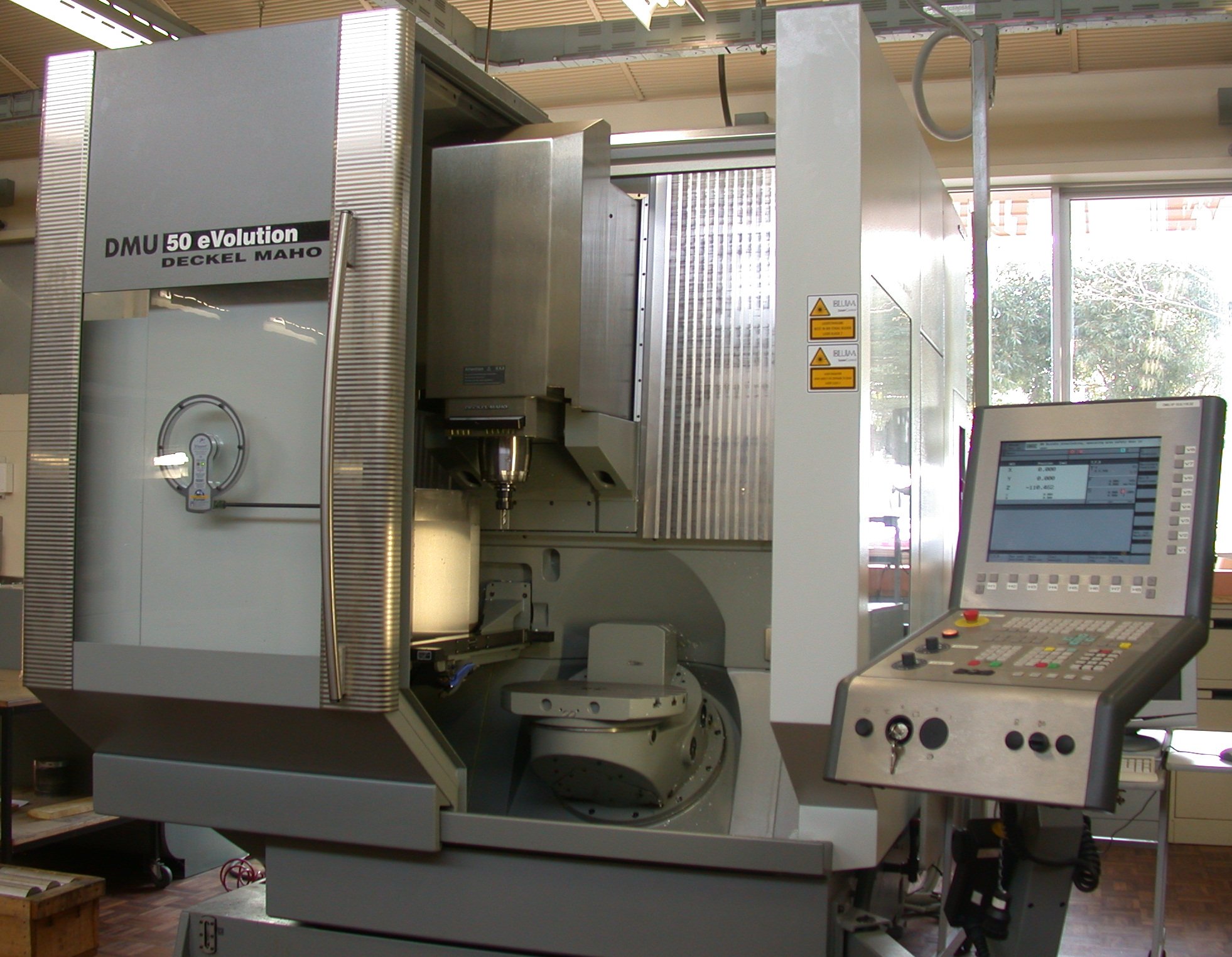
Why finishing process evaluation matters
A finishing process can look fine right up until it starts hiding scrap, rework, or unstable cycle times. That is the trick with bad processes: they do not always fail loudly. They drift. They get expensive in quiet little increments.
If you want a process you can trust, start by measuring it instead of admiring it. Google’s search essentials are aimed at web content, not machining, but the warning still applies here: structure and clarity beat vague confidence. Process evaluation works the same way. If the numbers are fuzzy, the process is probably fuzzy.
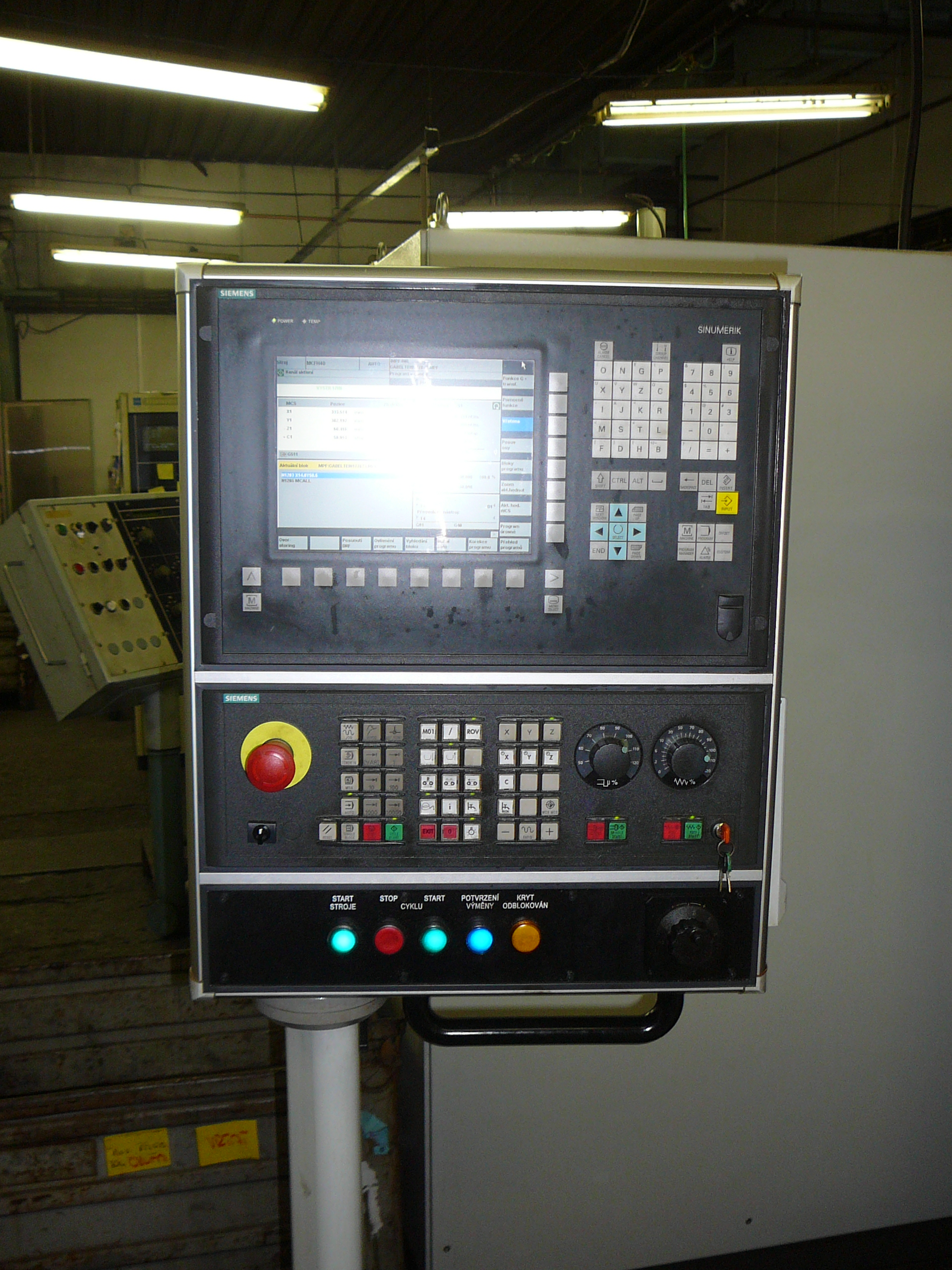
Key metrics to watch
Do not drown yourself in metrics. Choose the ones that actually tell you whether the finishing line is healthy.
- Surface finish consistency: look at variation, not just the best sample.
- Cycle time: check whether the process is stable or drifting under load.
- Tool wear: wear patterns often explain failures people blame on “the machine.”
- Rework rate: if the same part keeps coming back, the process is lying to you.
- First-pass yield: a clean pass is worth more than a heroic cleanup later.
For a practical surface quality reference, the surface finish overview on Wikipedia is a decent starting point, but the actual shop evidence always wins. If you need a more formal quality-control lens, the NIST guide to statistical process control charts shows why trends matter more than isolated good parts.
Step-by-step: how to evaluate the process
- Define the process boundary. Decide exactly where finishing starts and ends. Otherwise every department will blame the next one.
- Collect a baseline. Use a representative sample of parts, shifts, and operators.
- Measure the output. Record finish quality, cycle time, rejects, and tool condition with the same method every time.
- Compare against the target. Actual performance against actual requirements. Not folklore. Not optimism.
- Look for variation sources. Tool setup, material lots, fixturing, coolant, operator changes, and machine maintenance all deserve suspicion.
- Test one change at a time. If you change five variables at once, congratulations: you have created a mystery.
- Verify the result. Recheck the same metrics after the change and confirm that the improvement holds over time.
If you want a simple external lens for process improvement thinking, the ISO quality management overview is useful for the logic of documented, repeatable control. For a broader internal reference, see the site’s blog archive for related finishing and setup guides.
Common pitfalls to avoid
- Measuring only the best parts. Cherry-picked data is a decorative lie.
- Ignoring setup drift. Small drift becomes expensive drift.
- Blaming the last station first. The visible symptom is rarely the root cause.
- Changing too much at once. Then you cannot tell what helped.
- Stopping at “looks better.” If you cannot show it, you have not proven it.
When teams want to move from symptoms to a real plan, the first step is usually not a new tool. It is a cleaner evaluation method. If the process cannot survive basic scrutiny, adding speed only helps you fail faster.
A simple review checklist
| Question | What to verify |
|---|---|
| Is the output consistent? | Check variation across parts, shifts, and batches. |
| Are defects increasing? | Compare rework and scrap over the same time window. |
| Is the process stable? | Look for drift in cycle time, wear, or finish quality. |
| Did the change help? | Confirm the result with repeat measurements, not a good day. |
Need a sharper framework for improvement work? A process evaluation is really just disciplined troubleshooting. The first diagnostic step is to define the baseline, then check the boring thing first: what changed, when, and by how much.
Conclusion
An effective finishing process is not the one that sounds impressive in a meeting. It is the one that repeatedly produces the required result with less drama than everyone expected. Measure it, isolate the variables, test the change, and verify the result. That is the whole trick. No ceremony required.