
By Felix Rowan | Updated May 23, 2026
A demo cut is theater. Production is the repeat performance when nobody is clapping.
For broader planning context, teams can compare guidance from Google Search Central before choosing a workflow.
That is the problem with a clean micro CBN milling demo at DEMO METAL, BIEMH 2014, or SINO DENTAL. The part may look excellent. The surface may look calm. The booth staff may sound very sure of themselves. None of that tells you whether the process survives your machine, your fixturing, your coolant delivery, and your inspection routine. If you cannot reproduce the setup, you do not have a process yet.
Start here: define the part, record the setup that actually moves the result, and judge the candidate process against measurable production criteria. This guide gives you a step-by-step framework to move from show-floor observation to a real go, iterate, or stop decision. If you need broader site context first, use the home page, browse the events overview, or go straight to the blog for related troubleshooting notes.
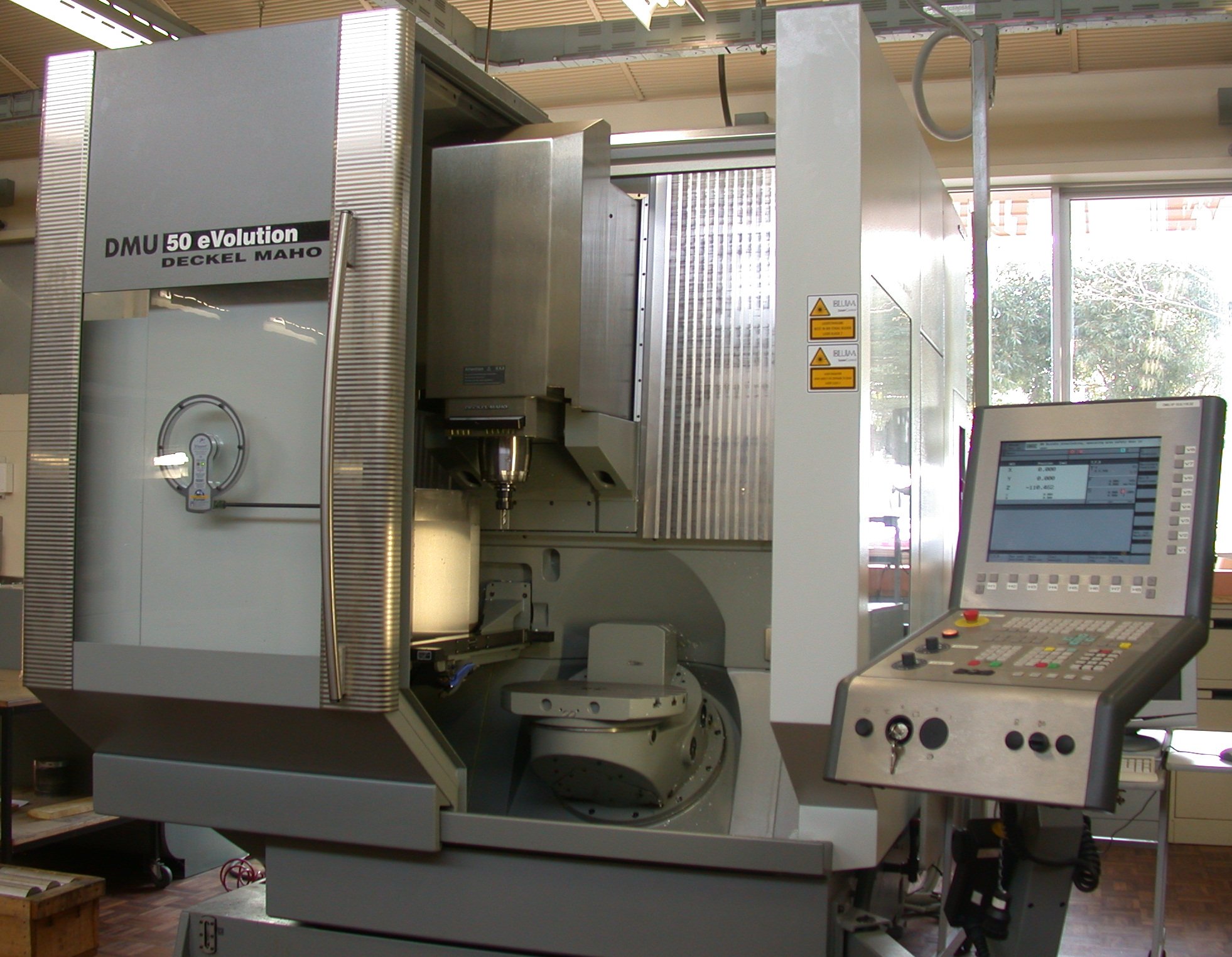
Quick Context: What Micro CBN Finishing Should Deliver
Micro CBN milling is usually evaluated for three reasons: surface quality, dimensional stability, and the chance to reduce avoidable secondary work. That does not mean every shiny demo is production-ready. Demos are often optimized for visibility. Production is less romantic. It wants stability, repeatability, and a setup that still works when the coolant condition drifts and the operator is not standing next to a marketing banner.
Related implementation details are also covered in WordPress documentation, which helps keep tool decisions grounded in established practices.
The practical question is not whether the demo part looks good. The practical question is whether the candidate process can produce the same result inside your real constraints. That means the evaluation must connect what you saw on-site to what you can run, measure, and repeat in-house.
Terminology You Should Lock Before The First Trial
Use the same terms across engineering, production, and inspection. Otherwise the meeting sounds organized while the data quietly stops matching.
- Baseline: your current finishing method, current setup logic, and current measurement routine. Not the version you wish you were running.
- Candidate: the micro CBN process you are evaluating. Keep this definition narrow so you know what actually changed.
- Process window: the operating range where the tool and setup behave predictably. One clean part does not define the window.
- Wear trend: how the tool condition changes over time and how that change shows up in finish, size, burr, or sound.
- Repeatability: how closely the same setup produces the same output across multiple parts.
- Robustness: how well the process survives normal shop-floor variation without drama.
If the team uses those words differently, rule that out first. Process arguments are often vocabulary failures wearing safety glasses.
Before You Start: Define The Part And Its Constraints
Do this before you compare anything. Otherwise you end up comparing someone else’s best-case sample against your own worst-case assumptions, which is a very efficient way to waste time.
- Material and condition: record alloy, hardness range, heat treatment, and any variation you normally see across batches.
- Geometry and features: note wall thickness, corner radius, reach requirements, narrow channels, interrupted cuts, and any feature that makes the setup fragile.
- Tolerance targets: define which dimensions are critical and how much drift you can accept across multiple parts.
- Critical surfaces: identify which surfaces matter for function, sealing, fit, visual finish, or later assembly steps.
- Production volume and uptime pressure: decide whether you are evaluating for prototype work, low-volume repeat jobs, or daily production where wear behavior matters more than one heroic pass.
- Machine and fixturing limits: write down spindle capability, holder options, available coolant method, fixture stiffness, and allowable cycle time.
- Measurement plan: define the instruments, sampling points, and acceptance criteria before the first comparison run.
If your team cannot write that list in one page, the process is not the first problem. The definition is.
Two Practical Examples Before You Start Guessing
Examples are useful when they stop people from chasing the wrong comparison.
Example one: thin-wall medical or electronics housing features. The demo part may show a clean edge and polished-looking finish. In production, the real problem may be part support and measurement location. A candidate process that looks good on a rigid sample can fail as soon as the wall starts moving or the inspection point shifts a few millimeters.
Example two: small precision features with burr-sensitive edges. The show-floor conversation usually centers on finish. The actual production blocker may be burr removal effort, handling risk, or tool condition drift over a longer run. If the burr definition is vague, the decision is already unstable.
The point is simple: define the failure mode you care about before you let the demo write the script for you.
During The Demo: What To Record So You Can Reproduce The Result
Write down the variables that move the outcome. Ignore the decorative fog around them.
| Category | What to record | Why it matters later |
|---|---|---|
| Tooling | Tool type, diameter, edge geometry, corner form, coating, reach, holder type, stickout, and any stated tool family. | You cannot compare two processes fairly if one uses a short rigid setup and the other uses a long flexible one. |
| Machine and parameters | Spindle speed range, feed range, step-over, axial/radial depth strategy, pass count, and any notes about acceleration or path smoothing. | The cut result depends on the full window, not one remembered spindle number. |
| Coolant strategy | Dry, mist, flood, through-tool, nozzle direction, coolant condition, and where the coolant actually hits the cut. | A clean demo often dies in production because coolant delivery changes first and nobody admits it. |
| Workholding | Clamping method, support points, locating method, overhang, and how the part is prevented from moving or ringing. | Fixturing mismatch is one of the fastest routes from “great sample” to “why is this chattering now?” |
| Program logic | Single pass or multi-pass finishing, compensation method, approach and exit strategy, spark-out style dwell if any, and any “special” settings the team quietly relies on. | If the logic changes, the comparison is no longer baseline versus candidate. It is guesswork versus guesswork. |
| Measurement method | Instrument type, where measurements were taken, how burr severity was judged, and whether the booth result was visual, tactile, or measured. | Measurement mismatch creates fake wins very quickly. |
Take photos if useful, but do not confuse photos with data. A control screen shot without holder, material, and measurement notes is mostly industrial wallpaper.

The 6 Evaluation Metrics That Matter
Use exactly six metrics and keep them stable across the baseline and the candidate. Add more only if you enjoy meetings that end without a decision.
- Dimensional stability. Measure the critical dimensions across multiple parts and look for drift, offset movement, and sensitivity to time in cut.
- Surface finish. Define where finish will be measured, which instrument will be used, and whether texture consistency matters as much as the average value.
- Burr behavior. Check burr location, burr severity, cleanup effort, and whether burr formation changes as tool wear accumulates.
- Tool wear trend. Record observable wear mode, change interval, edge condition, and whether the process degrades gradually or falls off a cliff.
- Repeatability. Compare part-to-part variation under the same setup, same operator logic, and same measurement method.
- Process robustness. Test how sensitive the result is to normal production variation such as slight fixture differences, coolant condition, or a realistic stop-and-restart pattern.
That list covers the actual decision. A demo that wins on surface finish but loses on repeatability or robustness is not a win yet. It is a lead.
How To Run A Fair Comparison: Baseline Versus Candidate
This is where most evaluations go soft. The booth showed one process under one polished setup. Your job is to remove the easy excuses and run a comparison that production can trust.
- Choose the baseline. Use your current finishing method, your current program logic, and your normal measurement workflow as the control.
- Control the variables. Keep material, part geometry, fixture logic, holder class, and measurement routine stable. Change only the micro CBN variable set you are evaluating.
- Define the sample size and run order. Run enough parts to expose variation and alternate the order if thermal or setup drift could bias the result.
- Use the same measurement method for both cases. Same instrument, same locations, same operator instructions, same burr definition.
- Document everything in one sheet. Parameters, observations, measurements, tool condition, and comments should live in a single record, not in three notebooks and one tired memory.
A practical rule: if the candidate only wins when you also change fixturing, coolant, compensation logic, and the definition of “acceptable,” you did not validate the cutter. You changed the entire process and lost the plot.
A Simple Evaluation Sheet You Can Actually Use
Keep the trial record boring and structured. That is a compliment.
| Field | What to enter | Failure signal |
|---|---|---|
| Part definition | Material, hardness, feature type, critical surfaces, drawing revision. | People compare different revisions or different material conditions and call it one trial. |
| Setup | Machine, holder, stickout, fixture, coolant method, nozzle position. | The candidate setup is “close enough” but not the same. |
| Program logic | Pass count, compensation method, lead-in/out strategy, toolpath notes. | An extra polishing pass sneaks into one side of the comparison. |
| Measurements | Dimension points, surface locations, burr criteria, instrument used, operator. | The reading improved because the method changed, not the process. |
| Wear observations | Part count, visual edge condition, change reason, notes on sound or finish shift. | The tool change point is based on mood instead of evidence. |
| Decision | Proceed, iterate, or stop, with one sentence tied to the six metrics. | The summary says “promising” and means nothing. |
If the sheet cannot survive handoff between shifts, make it simpler. Production rarely fails because the form was too plain.
Common Demo-To-Production Gaps
When the result collapses after the event, the boring causes usually get there first.
- Fixturing stiffness changed. The demo support strategy may have been cleaner or more rigid than your production fixture.
- Coolant delivery moved. Nozzle position, flow, or coolant condition changed enough to alter chip evacuation or temperature at the cut.
- Measurement definitions changed. Different instruments, different sampling points, or a different definition of burr severity made the candidate look better than it was.
- Program logic drifted. The demo used best-case lead-in, extra finishing passes, or compensation habits that never made it into the shop-floor trial.
- Tool handling changed. Storage, inspection, presetting, or change criteria were looser than the application engineer assumed.
Rule this out first: do not blame the tool until you have checked fixturing, coolant, and measurement. Those three create more false leads than most cutter catalogs.
Decision Checklist: Proceed, Iterate, Or Stop
| Decision | Use it when | What happens next |
|---|---|---|
| Proceed | Dimensional stability and repeatability meet your written acceptance criteria, burr behavior is controlled, and the wear trend looks manageable. | Move to a limited production trial with the same measurement plan and a documented setup sheet. |
| Iterate | Surface quality is promising, but robustness or repeatability is not stable enough yet. | Adjust one variable at a time: fixturing, coolant delivery, pass strategy, or holder/runout control. |
| Stop | Wear trend is too unpredictable, burr control is poor, or the process depends on conditions you cannot hold in production. | Record the failure mode, keep the data, and stop pretending the next minor tweak will turn a bad fit into a stable process. |
Minimum evidence threshold before any “proceed” decision: multiple parts, consistent measurement, and a setup record another engineer can reproduce without interpreting your handwriting like a crime scene note.
Questions To Ask The Vendor Or Technical Team
Send these questions in writing. Polite, clear, and harder to dodge.
- Process window: What spindle, feed, and depth ranges do you recommend for this material and feature set, and what failure mode usually appears first outside that window?
- Wear and maintenance: How do you define end of life for this tool, what wear pattern should we expect, and what maintenance or inspection interval do you recommend?
- Application data: Which similar materials, hardness ranges, and feature types have you already run, and what known failure modes should we watch for?
- Coolant and workholding sensitivity: How sensitive is the result to coolant delivery, nozzle position, fixture stiffness, and part support?
- Measurement definitions: Where should we measure, which surface and burr criteria do you use, and how should we interpret borderline results?
If you need a place to continue that conversation on this site, the obvious paths are services, downloads, and the direct contact page.
A Vendor Email Template That Saves One Round Of Confusion
You do not need a literary masterpiece. You need a short request that pins down the missing variables.
We are evaluating a micro CBN finishing process for [material and hardness] on [feature type]. Please send the recommended process window for speed, feed, and depth, expected wear mode and tool change criteria, coolant and workholding sensitivity, and your preferred measurement points for size, finish, and burr assessment. We will compare the candidate against our current baseline using the same measurement routine.
Short, specific, and difficult to answer with brochure fog.
Next Steps: Build An Internal Test Plan And Timeline
Keep the first internal trial short and disciplined.
- Day 0: lock the success criteria. Write the acceptance limits for all six metrics before any machine time is booked.
- Day 1: run the baseline. Use your normal finishing process and measure it with the agreed method.
- Day 2: run the micro CBN candidate. Hold everything else steady and document the exact setup.
- Day 3: run a controlled variation check. Introduce one realistic disturbance such as a fixture reset or coolant condition change to test robustness.
- Day 4: review the evidence. Measurement owner, setup owner, and parameter log owner compare results and mark the decision as proceed, iterate, or stop.
- Day 5: issue the next action. Either launch a limited production trial, define one narrow iteration, or close the evaluation and move on.
That is enough structure to avoid demo hangover and not so much bureaucracy that the trial dies in a spreadsheet. If your team wants to turn the evaluation sheet into a shared digital workflow, Flatlogic’s custom web development services are a useful reference for how that kind of internal tool can be scoped.
What Good Evidence Looks Like At The End Of The Trial
By the end, you should be able to answer five dull but decisive questions.
- Can another engineer reproduce the setup from the sheet alone?
- Did the candidate stay inside your dimensional and finish limits across multiple parts?
- Did burr behavior stay controlled as the run continued?
- Did the wear trend remain predictable enough for scheduling and uptime?
- Did the result survive at least one realistic production disturbance?
If the answer to two or more of those is “not sure,” you do not have a go decision. You have unfinished homework.
Bottom Line
Do not buy the finish. Buy the repeatable process that creates it. Record the setup. Measure the same six outcomes every time. Run the baseline against the candidate without changing the rules halfway through. Then decide with evidence, not booth lighting. The machine does not care how nice the demo looked.