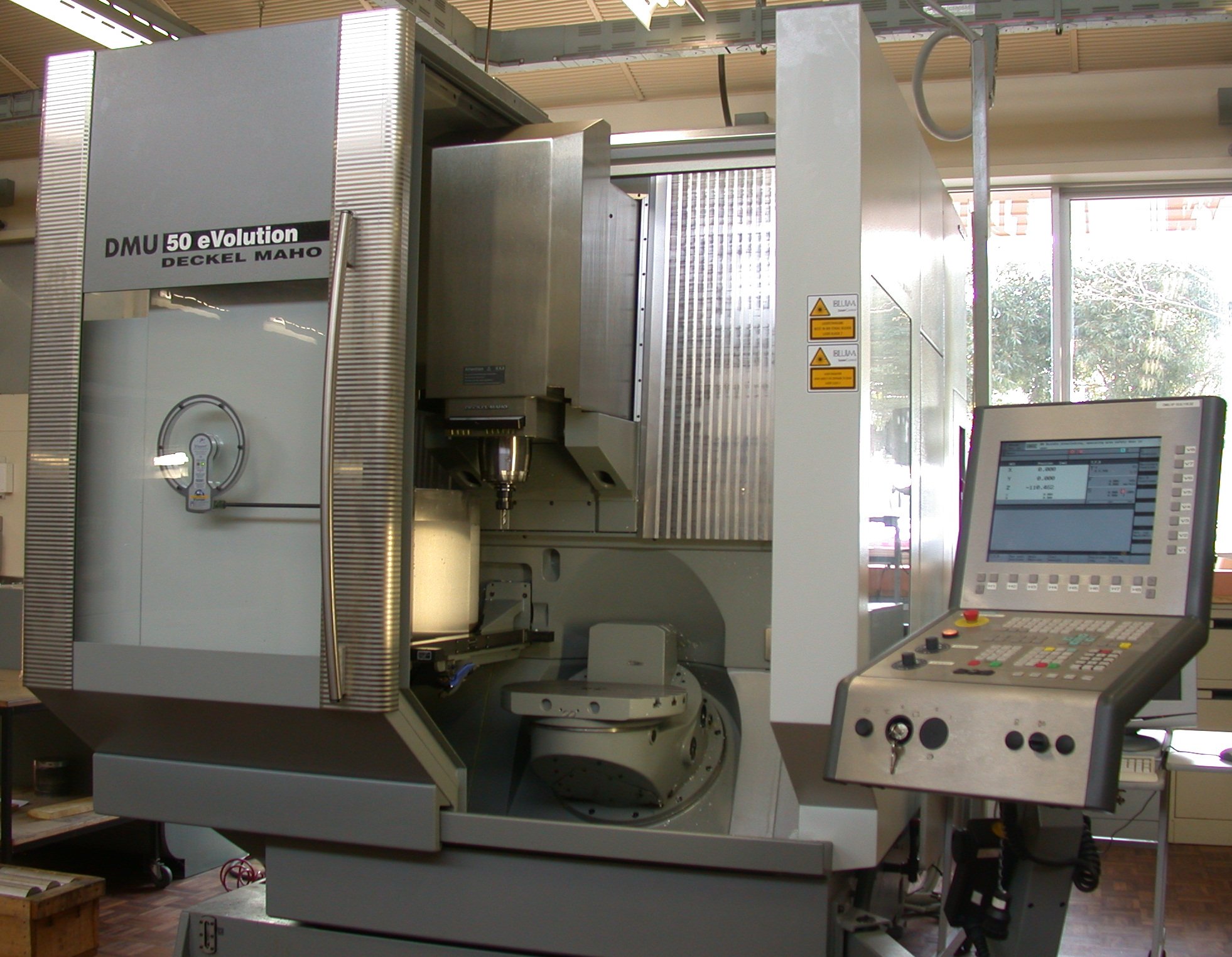

If you are comparing exhibitors for high-speed finishing, the show floor can blur into one long aisle of promising words. The trick is not to remember everything. It is to capture the same few signals at every booth so you can compare them later without relying on memory, which is famously generous to nobody.
Why “compare later” fails
By the time you leave the hall, the differences that mattered most are usually reduced to a brochure stack and a vague feeling. Ten minutes at the booth is enough if you know what to record:
- the exact process being shown;
- tooling and workholding setup;
- what was measured, and how;
- repeatability signals, not just a single good result;
- how the exhibitor explains stability under real production conditions.
If you want a broader starting point on the company’s event and support pages, use the Messen & events page and the downloads library to gather background before you compare booths in person.
Set your evaluation criteria first
Before you walk into CIMES, IMTS, or AMB, decide what “good” means for your application. For high-speed finishing, a practical scorecard usually includes five parts:
- Process fit: Is the booth showing a process close to yours, or just a polished demo?
- Tooling: What cutter geometry, material, and wear strategy are they using?
- Workholding: Is the part clamped in a way that supports repeatable finishing?
- Monitoring: Are they measuring spindle behavior, feed stability, tool wear, or surface finish?
- Measurable outcome: What result can they show beyond “it runs fast”?
For a simple framework on process questions, the services overview can help you map a booth conversation to a real evaluation path.
Create an evidence checklist for every booth
Ask for evidence you can compare across exhibitors. The goal is not to argue in the aisle. It is to collect enough detail to separate solid capability from well-rehearsed marketing.
| What to ask for | Why it matters | Good sign |
|---|---|---|
| Cutting parameters | Shows whether the demo is reproducible | They share feeds, speeds, depth of cut, and cycle conditions |
| Sample results | Shows the actual finish target | They can point to a measured surface or dimensional result |
| Repeatability | Shows process stability, not one lucky run | They explain how the result holds across parts or shifts |
| Measurement method | Prevents apples-to-oranges comparisons | They name the tool or standard used to verify finish |
Questions that surface real capability
These questions usually separate a strong technical exhibitor from a polished booth script:
- What finish quality are you actually targeting, and how is it measured?
- What is the weakest link in the setup: tool, holder, fixturing, machine, or inspection?
- What happens when the part family changes?
- What is the setup or integration effort before this process is production-ready?
- Which part of the result depends most on operator skill?
For general machining and finishing terminology, the SME guidance on improving surface finish is a useful neutral reference point.
How to compare micro CBN approaches
Micro CBN finishing is one of those topics where the brochure wording is often prettier than the physics. Compare exhibitors on the details that affect the cut:
- Tool geometry: edge preparation, radius, and how the tool enters the material;
- Wear behavior: whether the exhibitor can explain wear progression and when performance drops;
- Achievable finish: the finish range they can support consistently, not a single best-case sample;
- Process window: how sensitive the result is to feed, speed, rigidity, and coolant strategy.
If you want a basic technical refresher on CBN, the cubic boron nitride overview is a reasonable starting point before you compare vendor claims.
How the major shows differ during discovery
Think of CIMES, IMTS, and AMB as different discovery environments rather than different answers. CIMES may help you scan a wider range of exhibitors and regional approaches. IMTS often gives you scale, breadth, and a large mix of machine and tooling vendors. AMB is strong when you want concentrated machining expertise and closer technical conversations.
That means your comparison method should stay the same even if the atmosphere changes. Large booths can make every process look solved. Smaller booths can make every process sound bespoke. Your scorecard should not care about booth size. Booth carpets are not a performance metric, no matter how polished they are.
Scoring template: keep it simple
Use a 1-5 rubric. One is weak or unclear. Five is strong and well supported.
| Category | Score | Notes |
|---|---|---|
| Process fit | ||
| Tooling clarity | ||
| Workholding stability | ||
| Monitoring and measurement | ||
| Repeatability evidence | ||
| Integration effort |
Leave space for a plain-language note such as: “Good demo, but no repeatability evidence,” or “Clear measurement method, modest finish data.” Those comments are often more valuable than the score itself.
Next steps after the show
Before you file the brochures and hope for the best, ask each promising exhibitor for the same follow-up items:
- a parameter sheet for the demo process;
- a sample part or documented finish result;
- tool and holder specifications;
- an outline of trial conditions for your own part;
- inspection or measurement details used on the demo.
If you need a place to continue the conversation, use the contact page to reach the team with a specific question, and browse the blog index for related trade-show and finishing articles.
Common pitfalls to avoid
- Confusing fast with stable: a fast demo is not the same as a robust process.
- Ignoring fixturing: even good tooling struggles on a moving part.
- Skipping measurement alignment: if you measure finish differently, you will compare the wrong things.
- Trusting a single sample: one shiny part does not prove a production window.
- Letting the booth script do your thinking: that is how people leave with a brochure pile and no shortlist.
A practical closing rule
If you can leave the hall with three names, three notes, and three concrete next steps for each exhibitor, you are ahead of most visitors. That is the whole game: compare evidence, not noise; compare process, not slogans.
For more general event planning and background, start with the events section, then narrow your shortlist with the checklist above.