Before the first high-speed finishing cut, I like to treat the shop floor like a pre-flight cabin check: simple, orderly, and slightly unglamorous, which is exactly why it works.
When a team asks whether it is ready, the real question is usually a bundle of smaller ones: Have we written down the part target? Do we know what “good” finish looks like? Is the tool actually ready, or just installed and hoping for the best? Will the fixture repeat tomorrow, not just once? As Peter Drucker is often paraphrased, “If you can’t measure it, you can’t improve it.” That line is popular because the plain version is true: readiness becomes easier when the targets are visible.
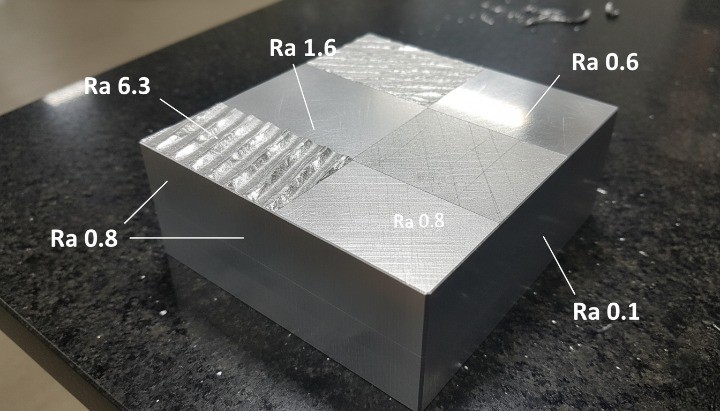
For background on why measurement and process control matter so much in machining, I point readers to NIST manufacturing resources and Sandvik Coromant’s knowledge hub; for a quick plain-language refresher on surface texture terms, the surface roughness overview on Wikipedia is a decent starting point. I am not linking those because they are trendy. I am linking them because the same old problems keep showing up: vague targets, loose setup discipline, and a first run that learns too much at once.
This article turns that broad idea into a practical shop-floor checklist. By the end, you should have a short runbook for what to confirm, what to log, what to stop on, and who owns each decision. In other words, the kind of checklist that keeps a team from discovering, halfway through a run, that “we thought it was fine” is not a measurement method.
A quick map of the terms
Before the checklist starts, I want the language to stay plain. A lot of confusion in finishing work comes from people using the same word for different things, which is a lovely way to waste an afternoon.
| Term | Plain version | Why it matters |
|---|---|---|
| High-speed finishing | A finishing process run with enough spindle speed, feed discipline, and stability to achieve a cleaner surface without making the setup chaotic. | You need the machine, tool, and fixture to behave like a system, not three independent guesses. |
| Micro CBN tool | A small cutting tool using cubic boron nitride, usually for hard or demanding finishing work where edge quality and wear control matter. | Tool condition and wear behavior often decide whether the finish is repeatable. |
| Workholding | How the part is clamped and located. | If the part moves, the surface result is no longer a process result. |
| Repeatability | Getting the same setup result again, with minimal drift. | A setup that works once is a demo. A setup that works three times is closer to production. |
| Pass/fail criteria | The rules you will use to decide whether the part is acceptable. | Without these, the team will argue about vibes instead of numbers. |
1. Why readiness matters
Readiness matters because the first production cut is where hidden assumptions become expensive. A machine can be mechanically capable, a tool can be sharp, and a drawing can be clear, yet the process can still fail if the team has not aligned the basics. That is why I start with a simple idea: do not ask the spindle to solve a planning problem.
Here is the checklist question I would put at the top of the clipboard:
- Do we know exactly what surface quality and dimensional target we are trying to hit?
- Do we know which variable is most likely to move first: tool wear, workholding, coolant, or machine behavior?
- Do we have a clear stop point if the first part is off target?
- Do we know who is allowed to change the program, offsets, fixture, or inspection method?
If the answer to any of those is fuzzy, the process is not really ready. That does not mean the project is bad. It means the project still needs a map.
A useful way to think about this is like a road trip with a full tank and no route. You might still get somewhere, but you will spend more time arguing with the dashboard than driving. High-speed finishing is the same. The machine might be capable of a very nice result, but the team still needs a clear route to get there.
2. Pre-check: part + tolerance targets
The first thing I would write down is the part target, not the machine settings. If the goal is not clear, the rest of the checklist starts drifting. In practical terms, that means the team should document the part number, material, critical surfaces, target finish, and tolerance level before anyone touches the machine.
For example, compare these two instructions:
- Weak version: “Finish the bearing surface nicely.”
- Useful version: “Hold the bearing seat diameter within tolerance, keep the target surface finish at the stated drawing value, and protect the edge condition on both ends.”
The second version is not fancy. It is simply usable.
Here is the short version of what to capture before the first cut:
| Field | What to write down | Example |
|---|---|---|
| Part identity | Part number, revision, and lot or batch if relevant. | PN 1042-B, Rev C, lot 17 |
| Material | Material grade and any heat-treatment status. | Hardened steel, final heat-treat complete |
| Critical surfaces | Which faces, bores, or edges matter most. | Bore seat, shoulder face, entry edge |
| Finish target | The specific surface quality goal from the drawing or process spec. | Target roughness value, no visible chatter marks |
| Tolerance target | The dimensions that must be held during the process window. | Diameter and face runout limits |
One practical tip: if the drawing says the finish target is important, do not translate that into “as smooth as possible.” That phrase sounds helpful right up until someone has to sign off on it. Keep the target measurable and leave the poetry for the coffee break.
3. Tooling readiness: micro CBN tool basics to confirm
Tooling is where a lot of teams accidentally become optimistic. The tool is installed, the holder looks tight, and everybody assumes the cut will behave. That is not a plan. It is a mood.
For micro CBN tooling, I would check four things before the run:
- Tool condition: Inspect the cutting edge, holder, and shank for chips, nicks, contamination, or damage from handling.
- Expected wear: Write down how long the tool should hold its edge before the finish starts drifting.
- Stickout and setup length: Keep the tool as rigid as the process allows without creating clearance problems.
- Documentation: Make sure the correct tool ID, offset, and replacement note are easy to find at the machine.
If you want a simple example, imagine you expect the tool to hold spec for 20 parts. That number is not just a life estimate. It is a decision trigger. It tells the team when to inspect, when to recheck surface quality, and when to stop pretending the edge is still fresh. Expected wear should be visible on the checklist, not only in someone’s head.
A second useful habit is to separate “tool installed” from “tool verified.” The first means the tool is in the holder. The second means the tool was checked, documented, and matched to the intended operation. Those are not the same thing, even if they often look the same from a distance.
My short tool-readiness checklist would read like this:
- Verify the tool matches the program and setup sheet.
- Check the edge under magnification or with the shop’s preferred inspection method.
- Confirm holder cleanliness and seating surfaces.
- Record the initial offset or reference position.
- Note the wear check interval for the first run.
4. Workholding + fixturing: stability and repeatability checks
Workholding is the part of the setup that quietly decides whether the rest of the process gets a fair chance. A part that is clamped inconsistently or located in a slightly different way each time will make the surface finish look far more mysterious than it needs to be.
I would verify three practical things here: stability, access, and repeatability.
- Stability: Does the part stay put when the machine starts, stops, and transitions through the toolpath?
- Access: Can the tool reach the target surface without rubbing, deflecting, or crowding the fixture?
- Repeatability: If the part is unloaded and reloaded, does it return to the same position within the process window?
A quick shop-floor test is to perform a dry locating check before cutting. Seat the part, release and re-clamp it if the process allows, and see whether the indicator or reference points behave the same way more than once. If the setup changes meaningfully after a repeat load, that is not a finish problem yet. It is a fixturing problem.
Another practical detail: do not hide chip clearance issues behind “we will just blow it out later.” That is the mechanical version of leaving the dishes in the sink and hoping the sink will solve itself. High-speed finishing tends to reward the setup that respects chip flow, not the one that wishes it away.
Checklist for this section:
- Confirm fixture contact points and locate surfaces.
- Check clamp force and any torque or pressure settings.
- Verify that the part can be loaded the same way each time.
- Inspect for part interference, chip trapping, or hidden rub points.
- Document the repeatability check before production starts.
5. Machine + controls: settings to confirm
The machine section is where teams often look first, even though it should be one of the later checks. That is because machine settings matter, but only after the part, tool, and fixture are aligned. Otherwise the machine is just carrying other people’s uncertainty very quickly.
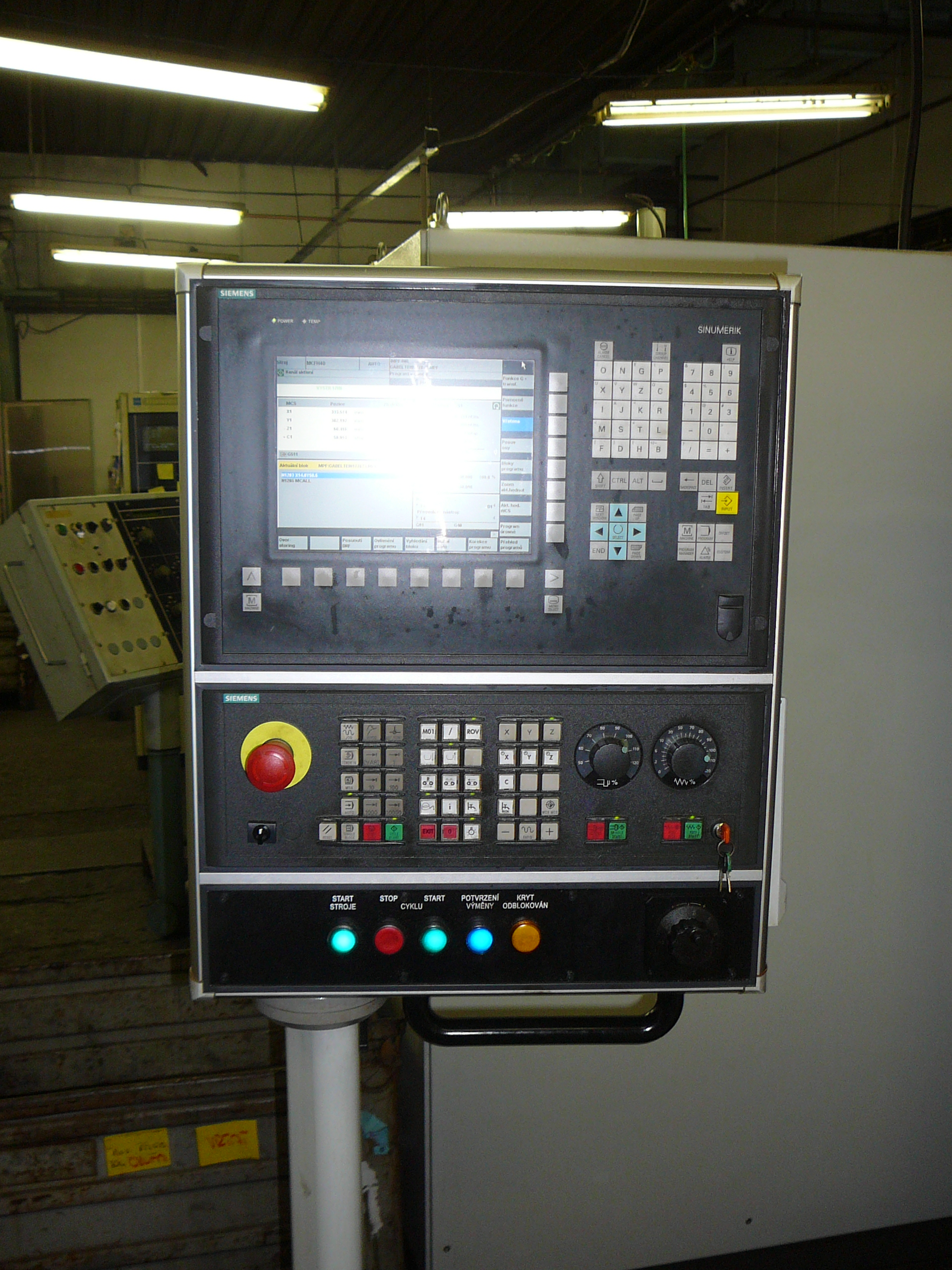
Here is what I would confirm on the controls before the first finishing run:
| Setting | What to check | Why it matters |
|---|---|---|
| Spindle behavior | Warm-up state, smooth acceleration, and whether the spindle runs the commanded way under load. | Unexpected vibration or speed drift can show up directly in the finish. |
| Feed and speed values | Programmed values, overrides, and any locked limits. | You want the machine to run the intended process, not a close cousin of it. |
| Coolant strategy | Coolant type, flow, nozzle direction, and whether the target surface gets real coverage. | Thermal control and chip evacuation can make or break the result. |
| Measurement points | Where the part will be measured, by whom, and at what point in the run. | If the team measures in different places, the process will look inconsistent even when it is not. |
I also like to confirm one human detail: who has the authority to pause the machine if something does not look right. That answer should be obvious. If it is not, the team is still improvising, and improvisation is not a process-control feature.
A few common control-room checks help keep the first run grounded:
- Run the warm-up routine that your machine maker or shop standard recommends.
- Confirm that offsets and tool numbers match the setup sheet.
- Check that measurement references are the same on every shift.
- Verify that coolant is reaching the cut, not just the splash zone.
- Record the exact program revision used for the run.
6. Process validation plan
This is the part of the checklist that separates “we tried it” from “we can repeat it.” A process validation plan tells the team how it will judge success before the first part comes off the machine. Without it, the result becomes a moving target, and moving targets are very efficient at burning time.
I would define the validation plan in three layers:
- Surface finish criteria: What counts as acceptable appearance and measured surface quality?
- Dimensional criteria: Which dimensions are checked on every first article and which are spot-checked later?
- Repeatability criteria: How close do the first two or three parts need to be before the team feels safe to continue?
Here is a simple pass/fail sheet you can adapt:
| Item | Pass if | Stop if |
|---|---|---|
| Surface quality | The finish matches the drawing or process target and shows no unexpected chatter, tearing, or edge damage. | The surface looks inconsistent, overheated, or visibly different from the accepted standard. |
| Dimensions | Critical dimensions stay inside the agreed tolerance window. | Any critical dimension drifts toward the edge of the limit without a clear correction plan. |
| Repeatability | At least two similar parts land in a stable, expected range. | The result swings enough that the team cannot explain the difference. |
| Process notes | The run is documented well enough that another operator could repeat it. | The only record is “looked okay.” |
If the first part passes on appearance but the second part starts drifting, do not ignore that signal. The second part is often the more honest one. The first part got the benefit of fresh enthusiasm, while the second part had to live in the real world.
7. Safety + handling considerations
Safety in high-speed finishing is not separate from readiness. It is part of readiness. That means the checklist should cover how people load parts, how they handle sharp edges, what they do if they need to interrupt a run, and how they keep the area clear of avoidable trouble.
My safety check would include the following:
- Confirm the guarding and enclosure status before the spindle starts.
- Make sure operators know the safe loading and unloading path.
- Protect against sharp edges, hot parts, and unexpected chip spray.
- Keep loose tools, notes, and gauges away from moving components.
- Review what to do if the part needs to be stopped, reloaded, or remeasured mid-run.
One practical note: if an operator has to reach into the setup more than once to “just adjust” something, the process is not yet calm enough. High-speed work rewards a clean, planned intervention path. It does not reward heroics.
Another good habit is to separate handling instructions from cutting instructions. The person loading the part should not have to interpret machine logic at the same time. The safer the process feels to use, the more likely it is to be used correctly.
8. People + workflow: who does what
A checklist works only when people know where their names go. High-speed finishing often involves at least four roles, even if one person wears two of them on a busy day.
| Role | Primary responsibility | What they must not leave vague |
|---|---|---|
| Operator | Run the setup, keep the log current, and call out changes immediately. | What to stop for and who to notify. |
| Programmer | Confirm the program matches the intended process and revision. | Which settings are fixed and which can be tuned. |
| Metrology or inspection | Measure the part using the agreed method and document the result in the same format every time. | Which dimensions are the decision drivers. |
| Supervisor or lead | Own the go/no-go call when the first run is outside the expected window. | Who has final authority to continue, pause, or change course. |
I like a simple rule here: one person can hold two hats, but not two decision standards. If the operator is also the programmer, that is fine. If the operator is also the only person approving the result without a second check, that is how drift sneaks in wearing normal clothes.
To keep the workflow steady, use a short handoff note after each run:
- What changed?
- Who changed it?
- What did the measurement say?
- What happens next?
9. Runbook template for Day 1
This is the part you can print, tape near the machine, and actually use. I would keep the Day 1 plan short on purpose. The job of the first day is not to prove everything. It is to prove that the team can learn in a controlled way.
Day 1 runbook template:
| Step | Owner | What to log |
|---|---|---|
| 1. Pre-start check | Operator + lead | Part ID, revision, tool ID, fixture ID, program version |
| 2. Dry verification | Programmer | Offsets, travel limits, coolant, spindle warm-up status |
| 3. First part run | Operator | Actual machine settings, any alarms, visible surface notes |
| 4. First inspection | Metrology | Dimension results, finish check, any edge or burr notes |
| 5. Decision | Supervisor or lead | Pass, adjust, or stop, plus the reason |
| 6. Next run | Team | What changed from the previous part and why |
After each run, log the smallest useful set of facts:
- Part number and serial or lot identifier.
- Tool and offset values used on that run.
- Coolant and speed/feed state, if those settings changed.
- Measured values and the inspection method.
- One sentence about what changed from the last run.
If you want the runbook to stay useful, do not turn it into a scrapbook. Keep it lean enough that someone tired, standing at a machine, can still use it without translating your handwriting into archaeology.
Final checklist
Here is the short version I would keep on the clipboard:
- Part target written down and measurable.
- Tool condition, wear, and setup verified.
- Fixture stable and repeatable.
- Machine settings checked and recorded.
- Pass/fail criteria defined before the run.
- Safety and handling steps clear to the operator.
- Roles and handoffs agreed in advance.
- Day 1 logging format ready before the first cut.
That is the whole point of readiness: reduce the number of surprises that can appear in the first hour. You do not need a heroic checklist. You need one that the team will actually use when the machine is running and nobody wants to stop and think.
If you want more guides like this, browse the Blog. If your team is turning a checklist into a real process and wants help with the next step, see Services or reach out through Contact. And if you want to start at the top again, the Home page is the quickest way back.