
By Nora Finch | Updated June 19, 2026
Good demo parts are charming. Good production parts are predictable. This article is about telling the difference before a nice booth sample talks your team into extra work.
Most readers arrive with a short list of very practical questions:
- What should I test first when a micro CBN finishing demo looks promising?
- Which measurements actually matter, and which ones only make the meeting feel scientific?
- How do I compare Demo Metal or BIEMH notes to what my shop can reproduce later?
- What would make this a real go or no-go decision instead of a polite “let’s keep looking” loop?
That uncertainty is normal. NIST’s metrology overview is a useful reminder that measurement is its own discipline, not a quick checkbox after machining. The same logic shows up in NIST’s guidance on surface engineering measurement standards: if the method is vague, the result is shaky even when the part looks impressive under the lights.
I like to treat demo results as a first conversation, not a verdict. In the plain version: you are not trying to prove that a micro CBN finishing process is amazing. You are trying to learn whether it can hit your part, your tolerance, and your cycle-time expectations without becoming a high-maintenance science project. By the end of this guide, you will have a simple evaluation framework, a reusable scoring sheet, and a short list of traps worth avoiding.
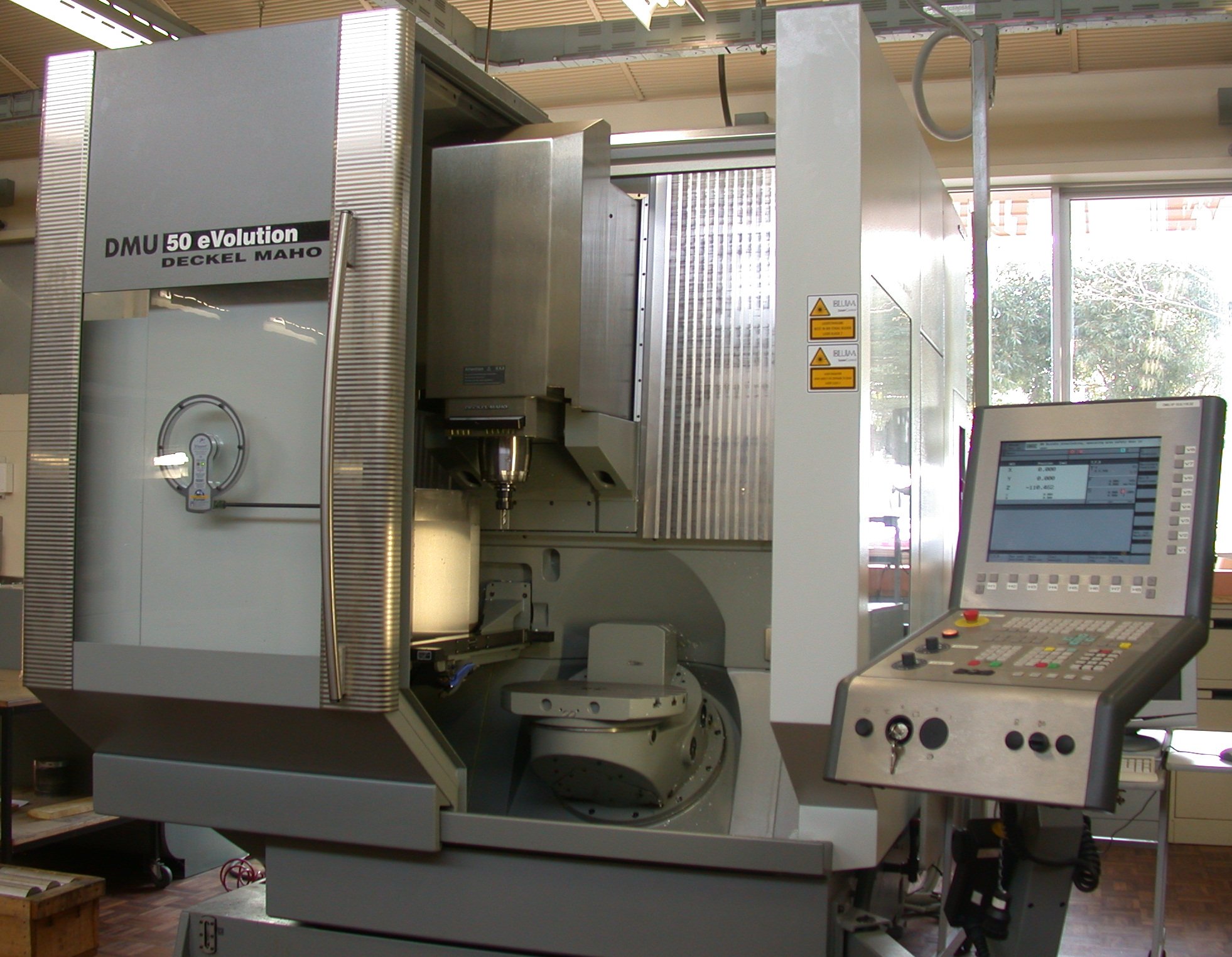
Why Demo Results Need an Evaluation Plan
A trade-fair demo is useful, but it is also a performance. The machine is clean, the operator is ready, the material is chosen carefully, and nobody lets three unrelated variables drift at once if they can help it. That does not make the result fake. It just means you should compare it for what it is: evidence of potential, not proof of production readiness.
Micro CBN finishing deserves this extra discipline because the gains people care about are usually small and important at the same time. Surface finish, size stability, edge condition, and cycle time can all move together, but not always in the direction you hoped. A setup that wins on appearance can lose on burr behavior. A setup that wins on speed can drift on the third part. A setup that wins on one machine may become moody when workholding changes. Shops rarely get into trouble because they asked too many questions. They get into trouble because everyone agreed too early.
That is why an evaluation plan should answer one plain question: what can I compare fairly from the demo, and what must I validate later in my own environment? Usually, a demo can help you compare tool behavior, visible surface quality, part access, coolant strategy, support logic, and whether the supplier can explain settings clearly. It cannot fully prove long-run stability on your machine, with your fixture, at your normal handoff pace. The trick is to separate those two buckets before anyone starts making promises.
If you are still mapping the broader event landscape, the site home page gives the product and event context, while the dedicated CIMES and IMTS pages help frame how different exhibitions feed the same evaluation process.
Start With the Goal and the Constraints
Before building a test matrix, write down the part problem in plain language. Not “improve finish.” That is too vague. Try something closer to: “finish a hardened pocket floor to the required texture without raising burrs on the exit edge and without adding cycle time that breaks the routing.” That sentence alone will usually calm down a lot of fuzzy discussion.
Four inputs matter most at the start:
- Part type: Are you evaluating a flat, a pocket wall, a small radius, a slot, a sealing face, or a fine edge that later affects assembly?
- Tolerance: Which dimensions are actually sensitive, and what amount of variation is acceptable across repeated parts?
- Surface finish target: Which finish parameter matters for the feature, and where on the part will you measure it?
- Cycle-time expectations: Are you trying to cut time, hold time, or accept a slight increase in exchange for better consistency?
If one of those remains fuzzy, the evaluation will drift into storytelling. For example, a buyer may care that the demo looked smoother. Production may care that the path adds twenty seconds. Quality may care that the visual improvement did not move the actual reading much at all. None of those views is wrong. They are just incomplete until you decide which constraint is allowed to dominate.
Simple rule: define one primary win condition, two secondary checks, and one deal-breaker. That keeps the test focused. A reasonable starting pattern looks like this:
| Planning item | Question to answer | Example |
|---|---|---|
| Primary win condition | What is the main reason to adopt this process? | Hold the target finish on a hard-to-reach feature without a secondary polishing step. |
| Secondary check 1 | What must also stay acceptable? | Dimensional stability stays inside the existing tolerance band. |
| Secondary check 2 | What support metric keeps the result realistic? | Cycle time stays within a pre-agreed range. |
| Deal-breaker | What failure means the trial stops? | Burr behavior becomes unacceptable even if the texture reading improves. |
That may sound basic, but basic is useful here. Many demo reviews fail because the team never says what would count as success before seeing the part. Human beings are very inventive once a shiny sample lands on the table.
Build a Small Test Matrix You Can Actually Use
This is the part where discipline beats ambition. You do not need a giant spreadsheet with seventeen variables. You need a short matrix that lets you compare a few controlled combinations without losing track of what changed.
At a minimum, include:
- Tool and workpiece combination: tool diameter or geometry, substrate or cutting edge type, workpiece material, and hardness condition.
- Coolant strategy: dry, air, mist, or flood, plus nozzle direction if that clearly affects the feature.
- At least two parameter sets: one conservative set and one more aggressive set, so you can see whether the process window is narrow or usable.
- Workholding note: how the part is supported and where it may deflect or ring.
- Inspection method: who will measure, with what instrument, and at which defined locations.
Think of the matrix as a map, not a novel. You want just enough structure to compare apples to apples instead of apples to “well, the operator said it felt stable.”
| Test ID | Tool + material | Coolant strategy | Parameter set | What you are trying to learn |
|---|---|---|---|---|
| A1 | Micro CBN tool on hardened steel feature | Air blast | Conservative | Baseline finish, size behavior, and visible edge quality. |
| A2 | Same tool and material | Air blast | Higher feed or engagement | How much productivity changes before finish or burr behavior slips. |
| B1 | Same tool and material | Mist or flood | Conservative | Whether coolant strategy changes evacuation, edge stability, or repeatability. |
| B2 | Same tool and material | Mist or flood | Higher feed or engagement | Whether the process window stays wide enough to be practical. |
Keep the matrix small on purpose. If you change tool, coolant, feed, and support all at once, the result becomes impossible to explain later. The shop-floor version of chaos is often just too many “small” changes that landed in one meeting note.
Set Acceptance Criteria That People Can Measure, Not Interpret
This is where an evaluation plan becomes useful instead of decorative. Acceptance criteria should be short enough to survive a handoff and specific enough that two people using the same method reach the same conclusion.
For micro CBN finishing, four criteria usually carry the decision:
- Surface finish: define the parameter, measurement location, and method.
- Dimensional stability: define the feature, tolerance, and whether repeated parts stay centered in the band.
- Burr behavior: define what edge condition is acceptable and where it will be checked.
- Repeatability: define how many consecutive parts or features must pass before the result counts as stable.
If you skip the method, you are not really setting the criterion. That is why even a general resource like NIST’s dimensional metrology page is helpful background: it reinforces that the measurement system is part of the result, not an afterthought. The same goes for finish language. If your team needs a quick refresher on the cutting material itself, cubic boron nitride is a reasonable starting definition for non-specialist readers.
A compact acceptance table can look like this:
| Criterion | Write this down before testing |
|---|---|
| Surface finish | Parameter to record, exact measurement location, and instrument setup. |
| Dimensional stability | Feature name, tolerance band, and number of repeated checks required. |
| Burr behavior | Maximum acceptable edge condition and visual or optical inspection point. |
| Repeatability | Minimum consecutive acceptable results needed before moving forward. |
One small warning: do not let one beautiful number overrule three ugly symptoms. A strong finish reading does not cancel chatter marks, exit-edge burrs, or size drift. A result only wins if the feature is usable in the way the part needs to be usable.
What to Capture On-Site at Demo Metal or BIEMH
A good booth conversation can feel fast. That is exactly why note capture matters. If you leave with only a business card and a vague memory that the finish looked excellent, you do not have evaluation data. You have event souvenirs.
Capture five things on-site:
- Photos of the setup: machine access, holder length, coolant direction, and workholding logic.
- Measurement notes: what was measured, where it was measured, and which instrument or method was used.
- Process settings you can verify: speeds, feeds, step-over or engagement notes, and any clearly stated setup detail.
- Material and part context: workpiece material, hardness if shared, and which feature on the sample part was being discussed.
- Observed behavior: sound, chip evacuation, visible burr tendency, or whether the operator mentioned limits or caution areas.
Photos help later because memory is generous. The brain loves to simplify technical setups into “looked solid.” A few careful photos usually reveal the details you forgot to ask about, such as support under a thin wall or the exact way air was directed toward the cut.
For edge checks, optics are often more persuasive than opinions. If the demo includes magnified comparison, note the viewing method. If you need a plain-language reference for non-contact or enlarged visual inspection, an optical comparator style approach is a familiar example to point less-technical stakeholders toward.
How to Run Post-Demo Validation in Your Own Environment
The first in-shop validation run should feel slightly boring. That is a good sign. It means the process is controlled enough to test honestly.
Use this first-run checklist:
- Match the demo conditions where practical. Use the same feature class, similar material condition, and a documented starting parameter set.
- Confirm tool and holder details before cutting. Diameter, stickout, and basic runout checks belong here, not after the finish drifts.
- Lock the measurement routine. Same instrument, same location, same operator if possible for the first comparison.
- Run a short sequence, not a single sample. One part can flatter the process. Two or three repeated passes start exposing reality.
- Change one thing at a time. If you adjust feed, do not also change coolant direction and support in the same attempt.
- Write the stop condition in advance. If burr growth, size drift, or noise appears, decide what triggers a pause.
A useful mental model is this: the demo proved the process can work somewhere. Your validation has to prove it can work here. That is a smaller statement, but it is the one that pays the bills.
If your team wants supporting pages while organizing the trial, the site’s services page and contact page are the obvious next stops, and the broader blog has related event-planning articles that pair well with this evaluation workflow.
Common Decision Traps That Distort the Result
This is my favorite section because most mistakes are recognizable once you name them.
- Optimizing one metric only. Surface texture improves, so everyone ignores the fact that burr behavior got worse.
- Ignoring workholding effects. The tool gets the blame when support, overhang, or clamp strategy changed the part behavior.
- Changing too many variables at once. The team “improves” the result and has no idea which change helped.
- Accepting unverified settings. Notes such as “roughly the same feed” or “similar air blast” are not serious evaluation records.
- Confusing a calm demo with a wide process window. A polished presentation can still hide a fragile setup.
Short version: if the process only works when one expert stands beside it and gives it full attention, you do not yet have a production method. You have a carefully supervised event result. Those are not the same species.
BIEMH-Style Questions That Feed the Evaluation Plan
When you are on the floor, questions should help you fill gaps in the plan, not just keep the conversation moving. Try questions like these:
- Which feature on this part is the hardest one to hold consistently, and why?
- What changes first when the process starts drifting: finish, edge, sound, size, or tool appearance?
- Which setup detail matters more than people expect?
- What measurement method was used for the finish and edge checks shown here?
- How sensitive is this result to stickout, support, or coolant direction?
- What would you change first if this moved from a demo part to a longer production run?
These questions work because they pull the conversation toward limits, not just highlights. That is where usable information usually lives.
A One-Page Scoring Template You Can Reuse
Below is a simple scoring sheet you can reuse for Demo Metal, BIEMH, CIMES, IMTS, or an internal validation run. Keep the scale plain: 1 means weak or unclear, 3 means acceptable, and 5 means strong and well-documented.
| Category | What to score | 1-5 | Notes |
|---|---|---|---|
| Feature fit | How well the demo part matches your target feature type and material condition. | __ | Part geometry, access, hardness, and application fit. |
| Measurement clarity | Whether finish, size, and edge checks were described clearly and credibly. | __ | Instrument, locations, and method transparency. |
| Surface finish result | How closely the result supports your functional finish target. | __ | Recorded values plus visible condition. |
| Edge behavior | Whether burrs, smearing, or chipping stayed controlled. | __ | Entry edge, exit edge, and consistency. |
| Repeatability confidence | How convincing the repeated results or process explanation felt. | __ | Did the result look stable or merely polished? |
| Production transfer risk | How much effort it would take to reproduce the result in your own shop. | __ | Machine fit, workholding, coolant, and inspection burden. |
Add up the notes before you add up the numbers. A simple score is helpful, but the comments are where the real decision lives. If three rows read “looks good, but not fully verified,” the cautious answer is usually the correct one.
Final Takeaway
A simple evaluation plan does not slow adoption down. It speeds up good decisions and exposes weak ones early. Start with the goal, define the constraints, build a small test matrix, lock measurable acceptance criteria, capture useful on-site data, and run a short validation sequence in your own environment. That is enough structure to compare demo promise with production reality without turning the process into a spreadsheet marathon.
If you want a practical next step, answer this one question before the next event or trial: what exact feature would make us adopt this process if it passed cleanly three times in a row? Once that answer is written down, the rest of the plan becomes much easier to build.