BIEMH is where good intentions meet real machinery. If you want your time on-site to turn into clearer decisions-about processes, tooling, and next steps-this guide walks you through a simple way to plan, navigate the show, and capture what matters.
When you search for BIEMH attendee tips, you’re probably asking: Where should I focus? What should I ask so the answers are comparable? How do I document results without drowning in notes? As the saying goes: “What gets measured gets managed.”
In industrial settings, the best outcomes come from turning observation into decisions. That’s why structured measurement and evidence play such a central role in technical evaluation-an approach closely aligned with the NIST measurement science (overview).
By the end, you’ll have a practical plan for BIEMH 2014: what to explore, how to network effectively, which session types deserve your time, and what to do the day you leave.
Overview of BIEMH
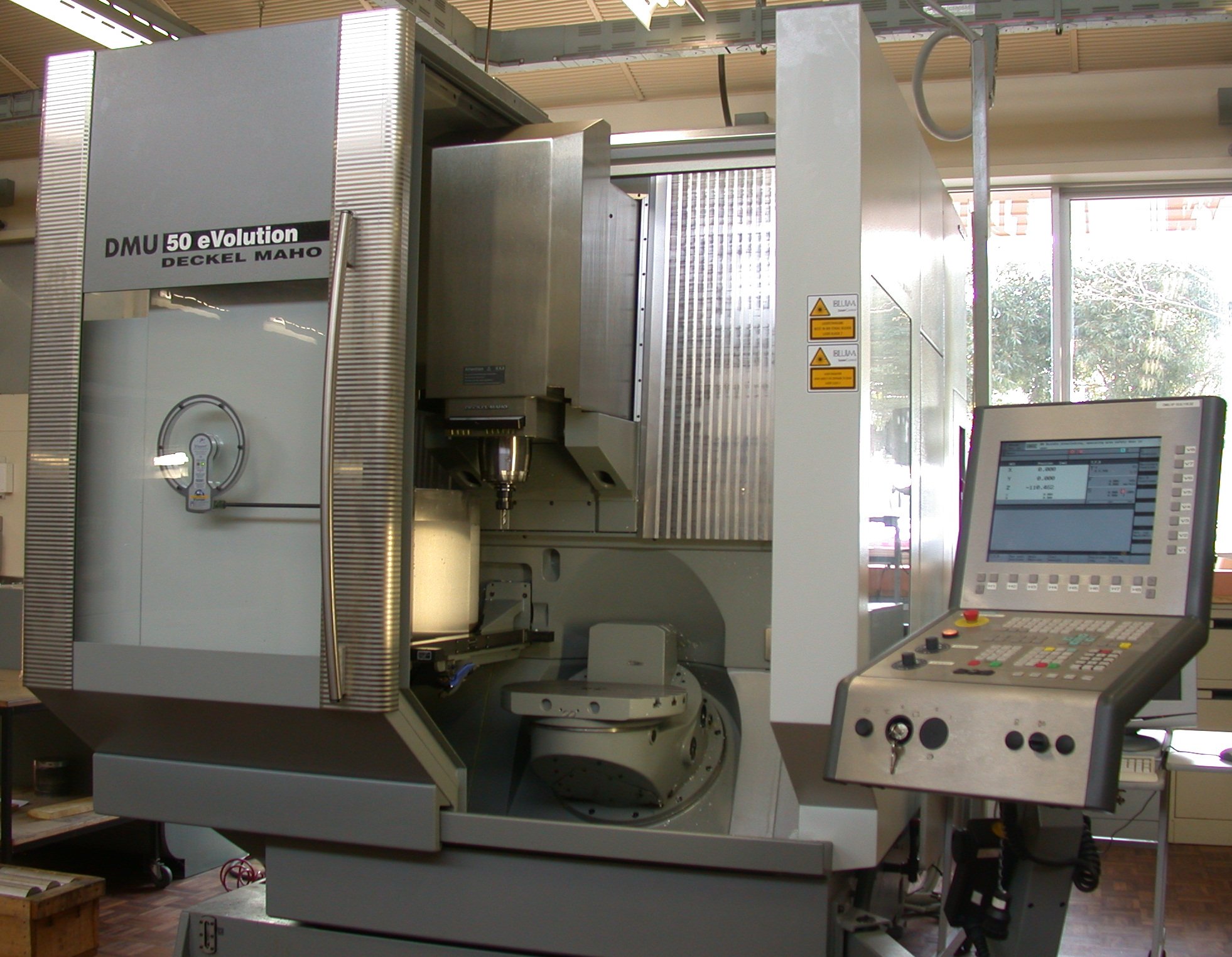
BIEMH (Bilbao International Machine Tool Exhibition) is a trade fair where machining and metalworking professionals come to see technologies in action-machines, cutting tools, tooling systems, automation, and the workflows that connect them. Instead of treating the show like a “see everything” event, aim to use it like a structured evaluation window.
Key areas to explore
Most visitors get more value when they split BIEMH into a few focused “lanes.” Use these lanes to keep your day coherent and your follow-ups measurable.
- Machining and finishing demonstrations
Watch for repeatability: same part class, same setup logic, and clear comparisons (cycle time, surface quality, tool behavior). - Workholding and stability
In real shops, stability is often the hidden variable behind quality and tool life. Look for explanations of clamping strategy and stiffness. - Cutting tool systems
Ask how tooling is matched to material, operation type, and target tolerances-not just what brand names are used. - Automation and production workflow
Even small improvements (setup reduction, changeover logic, error handling) can change total productivity.
How to network effectively
Networking works best when it feels less like small talk and more like exchanging decision-ready information. Here are concrete ways to do that.
1) Bring a “comparable answers” question
Instead of asking “What can you do for me?”, try: “If we use the same material and geometry class, what changes in setup, parameters, and expected outcomes?”
2) Use a lightweight capture plan
Have a simple note structure so you can compare conversations later:
- Part/material class and assumptions
- Machine/tooling/workholding configuration
- Key parameter ranges (even if approximate)
- What was actually measured (surface, time, wear indicators, etc.)
- Next step promised (sample, data sheet, meeting, trial plan)
If you want a helpful baseline for how measurement supports reliable decisions, the NIST measurement resources are a solid starting point for thinking about evidence.
3) Follow-up within 48 hours
When the show is fresh, your memory is accurate and vendors can still reference what you saw. A short message beats a long one: summarize your part class, paste the parameter highlights, and request the specific document you need (parameter sheet, sample procedure, evaluation plan).
Important sessions to attend
At BIEMH, the best sessions usually help you answer one of three questions: What’s new? Why does it work? How do we apply it?
- Technical seminars on machining strategy (e.g., how process parameters and stability interact)
- Tooling and workholding application talks where they show trade-offs between speed, quality, and repeatability
- Automation and production workflow presentations that explain integration logic (not only hardware)
If your schedule forces a choice, pick sessions that match your current bottleneck-tool wear, surface finish, setup time, or scrap/rework-then request concrete evaluation steps afterward.
Conclusion with resources
Here’s the simplest BIEMH approach that respects your time: choose lanes, ask for comparable answers, capture evidence, and follow up fast. That combination turns browsing into decisions.
- For a show-focused next step: explore BIEMH 2014
- For more visitor guidance: browse the blog
If you’re preparing to talk with exhibitors, consider sharing your part class, material, target tolerance, and current pain point. The clearer the context, the easier it is to get meaningful, comparable answers.
External reading (measurement & decision quality): NIST measurement science, which supports structured evidence-based thinking.
Optional deep dive (quality management vocabulary): If you run into terms like calibration, traceability, or measurement assurance, the measurement traceability overview can help you align on language-then you can ask exhibitors for their concrete process documentation.