
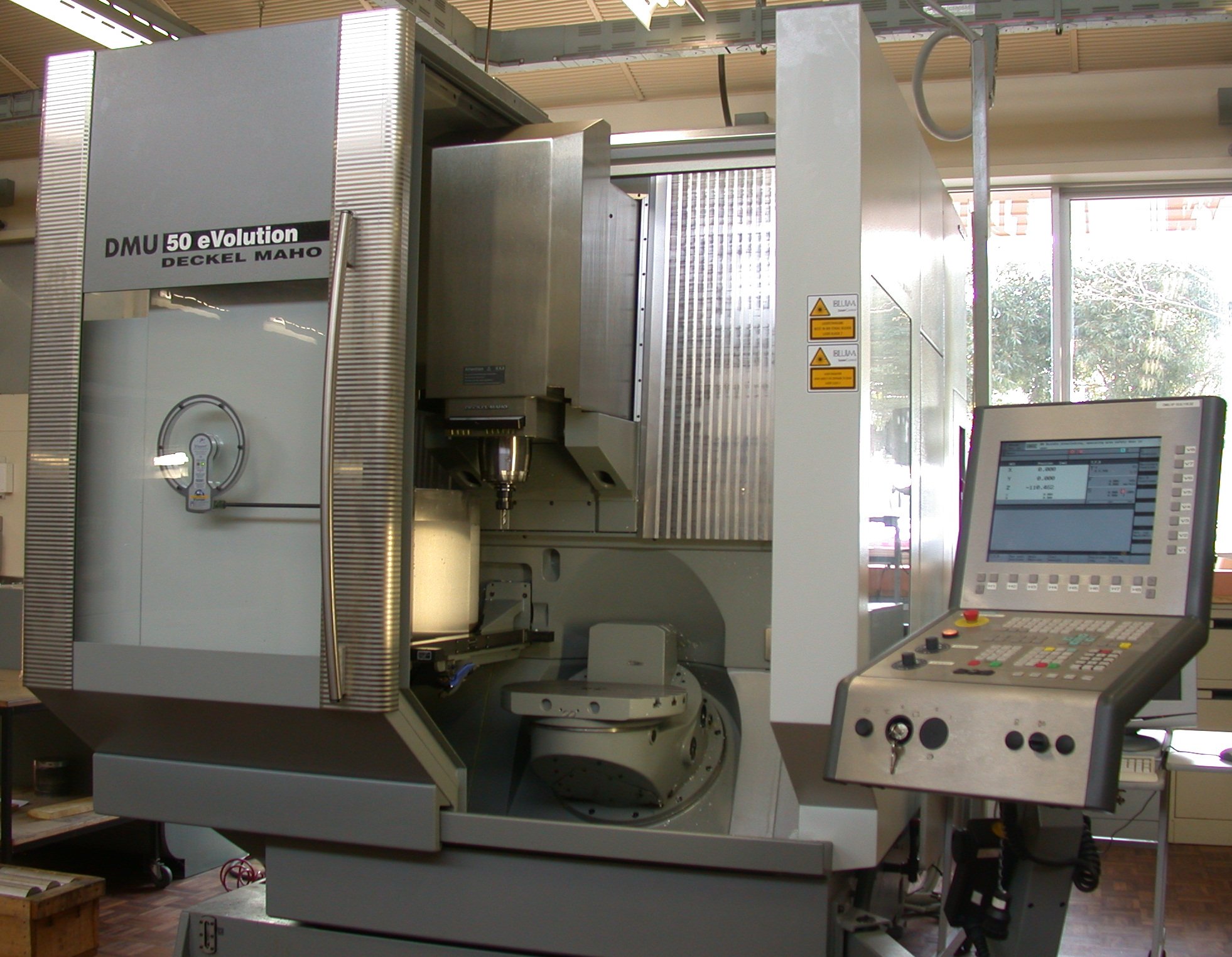
High-speed finishing demos can be useful. They are also easy to misread. The machine is usually set up to show its best side, and that is fair enough; the job is to separate a polished booth performance from a process you could actually build a case around.

Why high-speed finishing demos matter now
Major machine tool shows continue to put automation, connected tooling, and precision machining front and center. That matters because finishing decisions are no longer just about the cutter. They now involve workholding, measurement, data capture, and whether the process can be repeated without a small drama involving everyone’s time.
Official show materials from IMTS and EMO Hannover point to the same theme: integrated tooling, automation, and high-precision machining are the baseline conversation now, not the bonus round.
If you attend a finishing demo with that context, you can ask better questions and ignore the theatre.
What to define before the demo
Go in with a narrow brief. The exhibitors do not need your entire purchasing philosophy. They need the few constraints that make their demo comparable.
- Part material: Know the alloy or material family.
- Finish target: Define the surface quality you need, not just “better.”
- Tolerance window: Note the dimensional limits that matter.
- Cycle-time goal: Set a realistic benchmark for your application.
- Tool life expectation: Decide what “acceptable” means for your shop.
If you do not define those items first, every demo will sound impressive and mean very little. That is a common business model, but not a good decision model.
What to watch during the demo
Look past the first pass on the sample part. Watch how the process behaves as a system.
- Spindle behavior: Check for steady motion, noise, and obvious instability.
- Chip control: Observe whether chips evacuate cleanly or build up around the cut.
- Coolant strategy: Ask how coolant supports surface quality and tool life.
- Vibration and chatter: Watch the cut, not just the marketing graphics.
- Tool change handling: See whether tool changes are controlled and repeatable.
- Measurement workflow: Note whether the exhibitor measures part quality on the spot or waves at it from a distance.
EMO’s current technical reporting emphasizes high-precision micromachining and surface-quality-focused machining, which makes these observations especially relevant for finishing demos aimed at production buyers.
What data to request from the exhibitor
Do not leave with a brochure and a feeling. Leave with evidence.
- Cutting parameters used in the demo
- Tool specification and grade
- Machine configuration and workholding setup
- Measurement method and inspection points
- Repeatability evidence from multiple parts or runs
- Sample part results, including any known limits
Requesting this information is not rude. It is how adults compare industrial equipment.
How to score competing demos
A simple scorecard keeps the decision from becoming a memory contest. Use the same categories for each booth.
| Criterion | What to look for | Score |
|---|---|---|
| Surface finish | Does the result meet the target finish consistently? | 1-5 |
| Cycle time | Is the process fast enough to matter in production? | 1-5 |
| Process stability | Are spindle motion, chip control, and vibration under control? | 1-5 |
| Tooling clarity | Is the cutter choice well explained and practical? | 1-5 |
| Integration effort | How hard would it be to adapt the process on your floor? | 1-5 |
Add a notes column for the one detail you would need before a trial. That detail usually decides the case.
How to document the visit
Take photos of the setup, the sample part, and any parameter sheets you are allowed to keep. Write down the machine model, tool type, material, and inspection method while the conversation is still fresh.
- Capture the actual cutting setup, not just the booth banner.
- Save parameter sheets and contact details together.
- Note one follow-up question for engineering and one for purchasing.
If you want a structured place to start, review the downloads page and the additional resources page before the show. For event context, the events and exhibitions page is also a useful reference.
When to move from demo to trial
Move to a shop-floor trial when the exhibitor can show:
- a defined setup that matches your part family,
- repeatable results across more than one sample,
- clear tool and machine data, and
- a realistic explanation of what must change for your process.
That is the point where a demo becomes a business case instead of a showpiece. If the answer is still vague, the right move is usually more questions, not a faster commitment.
Practical takeaway
Use the demo to compare process stability, not booth confidence. Define your targets in advance, watch the cut closely, collect the data you will need later, and score each exhibitor against the same checklist. Then you can decide whether the process deserves a trial, or just applause.
Return to the homepage if you want the broader site overview, or continue with about us and contact for next-step questions.
For external context, see the official IMTS 2024 visitor summary and the EMO technical report for the current emphasis on connected, precision-focused machining.
