Choosing the right trade show should feel like selecting the right tooling: you want the demo conditions you can trust, the contacts you actually need, and the outcomes you can bring back to your shop. CIMES, IMTS, and AMB are all relevant to metalworking and precision manufacturing, but they each optimize for a different kind of buyer journey-so the question isn’t “which one is bigger,” it’s which one helps you make decisions faster.
When you search for these events, the same 3-4 questions usually show up:
- Which show is best for my specific goals (tools, machining processes, automation, production strategy)?
- What kinds of demos and application examples are actually worth my time?
- How do I approach meetings so I leave with usable specs and next steps?
- What should I document during the show so I can compare options afterward?
According to trade-fair guidance from industry event organizers, visitors get the most value when they arrive with defined requirements and a method for capturing comparable information. (That “structured visit” approach is also consistent with general best practices for evidence-based decision-making.)
In this guide, you’ll get a side-by-side look at CIMES, IMTS, and AMB-including what to look for, which attendee goals each show typically supports, and how to choose based on your current manufacturing baseline and recovery path.
Quick glossary: CIMES, IMTS, and AMB in plain terms
- CIMES (CIMES trade fair): typically associated with manufacturing technologies where machining, tooling, and finishing topics are prominent for technical decision-makers.
- IMTS (International Manufacturing Technology Show): widely known for a broad manufacturing technology lineup, often attracting buyers focused on productivity, automation, and process capabilities.
- AMB (Advanced Manufacturing / similar naming used in event branding): commonly positioned around advanced machining and manufacturing solutions for industry professionals.
Note: event formats and exhibitor mixes shift year to year. Use the comparison below to define what you need before you commit to travel and scheduling.
Table of contents
- Overview of each event
- Key features of CIMES
- Highlights of IMTS
- What to expect at AMB
- Conclusion: choosing the right event
Overview of each event
All three events can help you validate production direction, tool choices, and process stability. Where they differ is the kind of “evidence” you can capture during the show:
| Event | Best fit for | What to prioritize on-site |
|---|---|---|
| CIMES | Technical buyers comparing machining/tooling concepts and application examples | Application demos, tooling geometry discussions, and measurable surface/edge outcomes |
| IMTS | Teams exploring a wider manufacturing technology roadmap (automation, productivity, integration) | System-level capability comparisons, workflow integration, and baseline vs improved KPIs |
| AMB | Professionals seeking advanced machining solutions and operator-ready production approaches | Process repeatability cues, workholding strategy, and what changes when conditions shift |
If you want a simple decision rule: choose the show where you can most confidently confirm your inputs (materials, setups, workholding, parameters) and outputs (quality, stability, cycle-time evidence) in a comparable way.
Key features of CIMES
CIMES is particularly useful when you’re trying to connect process intent to tooling and application reality. The goal is not to collect marketing-it’s to collect the conditions that determine whether a “good demo” will survive your shop’s baseline.
1) Demo-style application examples
Focus on demos that provide enough context to reproduce outcomes: what workpiece class was used, what cutting strategy was applied, and what quality signals were shown.
2) Tooling and process parameter conversations
Build your meeting agenda around parameters you can carry into planning and procurement: geometry selection, coolant strategy (if applicable), and what changed when cutting conditions shifted.
3) Practical questions that protect your recovery path
- “What would be the first rollback step if surface quality drops?”
- “Which parameter is most sensitive for edge/finish in this setup?”
- “What acceptance criteria did you use for the demo output?”
Where CIMES can be less ideal
If your main need is a large-scale, system-wide integration plan (multiple technologies under one roof), CIMES may require more effort to stitch together the full “workflow picture.”
Highlights of IMTS
IMTS is often the “big room” where buyers compare manufacturing technology options across broader categories. It’s a good fit when your decisions involve more than a single process-when automation, integration, and productivity strategy all matter.
1) Breadth of manufacturing technology categories
Use IMTS to map how tooling, machines, and manufacturing support systems could fit into a planned production line.
2) System-level productivity thinking
Ask exhibitors to define measurable baselines: what changed from the previous process, what KPI improved (quality, throughput, scrap rate), and what constraints remained.
3) Evidence you can compare across vendors
To avoid “apples vs engineered fruit,” capture the same category of information every time:
- Material/workpiece class
- Process type and setup constraints
- Quality signal (surface, form/edge, inspection method)
- Operational stability notes (what triggers variation)
For broader background on manufacturing technology and terminology, readers often use Manufacturing (Wikipedia) to align on definitions before comparing events.
Where IMTS can be less ideal
If your team’s immediate bottleneck is very specific (one tool family, one finishing process, one workholding issue), the breadth of IMTS can dilute focus unless you pre-plan meetings tightly.
What to expect at AMB
AMB is a strong option when you want to spend time with advanced machining solutions and decision-makers who can discuss how production behaves under real constraints-setup variation, stability, and repeatability.
1) Advanced machining solution depth
Expect a practical emphasis: “what works in production” rather than only theoretical performance. Your best sessions will be those where you can ask about process stability and what changes when conditions drift.
2) Workholding and stability discussions
High-speed and precision results typically hinge on what happens before the spindle starts: workholding strategy, stiffness, and alignment. Use AMB meetings to validate those foundations.
3) Operator-ready insights
- Which setup steps matter most?
- What inspection method confirms acceptance?
- How should operators respond to quality variation?
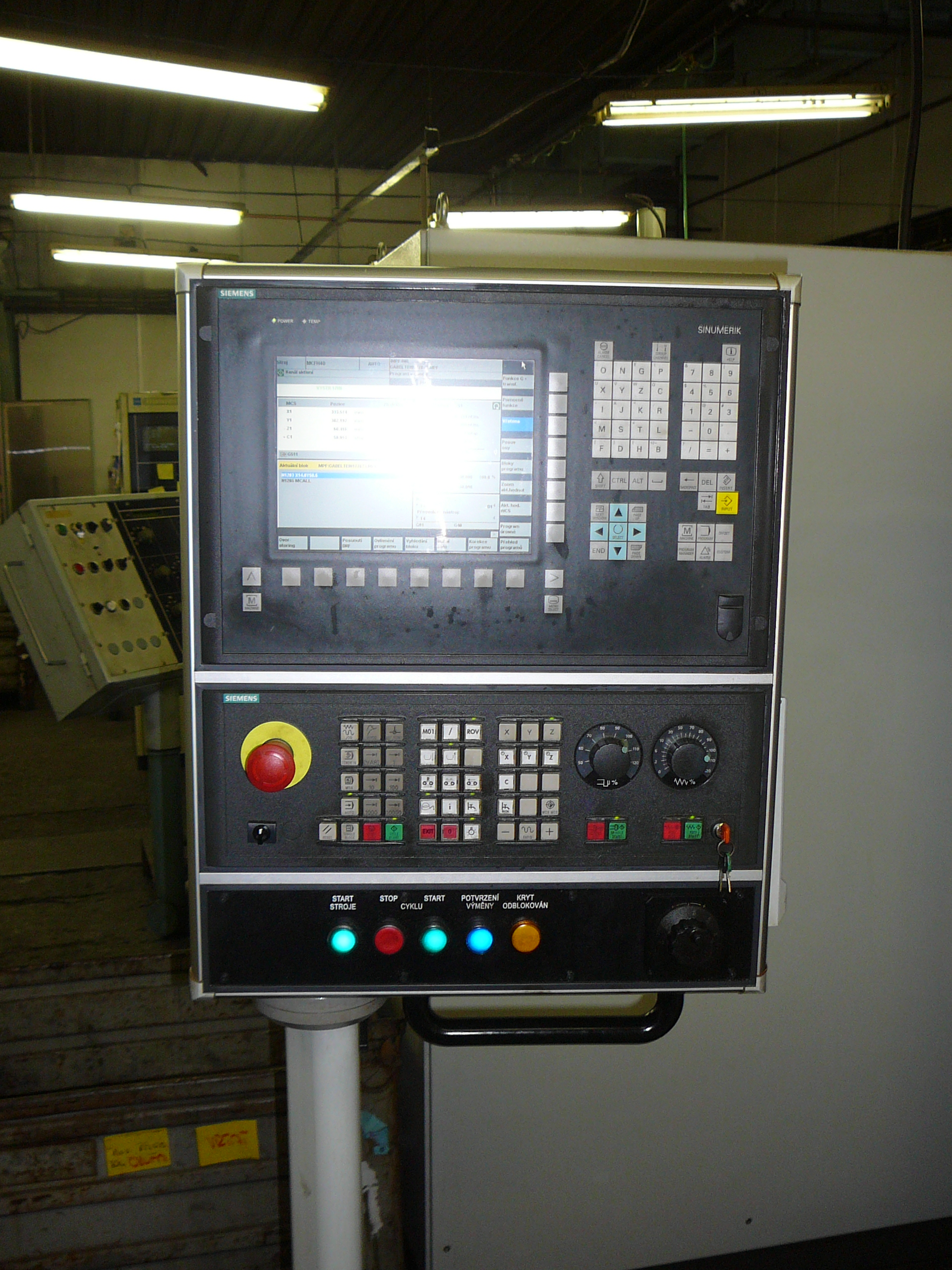
This kind of “parameter capture” is exactly what you want to be able to reproduce after the show.
Where AMB can be less ideal
If you need to evaluate a wide technology roadmap across automation, tooling, and integration simultaneously, AMB may still cover it-but you’ll get more value by focusing on your top 2-3 decision lanes.
Conclusion: choosing the right event
Here’s the conservative, reliability-first selection method:
- Define your decision lane. Is this a tooling/process question (CIMES/AMB strength) or a broader production technology roadmap (IMTS strength)?
- Pre-load your evidence template. Decide what you will capture in every meeting (materials, setup, parameter sensitivity, quality signals).
- Ask for rollback and recovery steps. A demo that can’t explain failure modes isn’t complete evidence.
- Choose the show where you can validate the most “inputs + outputs” with comparable documentation.
If you want direct pathways for planning, start with:
Next step: before booking travel, pick one failure mode your current process has (surface finish drift, edge quality, cycle-time variation). Then attend the event where you can most reliably ask, document, and compare how exhibitors address that specific baseline risk.
Key takeaways
- CIMES tends to reward deep technical comparisons of tooling and application conditions.
- IMTS tends to reward broader manufacturing technology mapping and integration thinking.
- AMB tends to reward advanced machining depth and stability-focused discussions.
- Across all events, the winners are teams who pre-plan meetings and capture comparable evidence.
Author: Grant Vale