
By Maya Collins | Updated June 5, 2026
If you walk into CIMES, IMTS, or AMB with only a tote bag and good intentions, the best booth in the hall can still leave you with very little you can actually use.
For broader planning context, teams can compare guidance from Google Search Central before choosing a workflow.
Most visitors arrive with the same quiet questions in the back of their mind: Which exhibitors can really support my part and finish target? How do I compare one demonstration with another without getting distracted by polished sample parts? Which questions reveal process stability instead of just marketing confidence? And what should I write down so the trip turns into a usable next step? W. Edwards Deming’s old line still works here: “Without data, you’re just another person with an opinion.” Trade shows are lively, but that sentence keeps your notebook honest.
High-speed finishing discussions matter because the final passes often decide whether a part is ready for inspection, ready for assembly, or ready for more expensive rework. A strong booth visit helps you test more than surface appearance. It helps you understand tolerances, stability, holder assumptions, coolant strategy, measurement method, and whether the exhibitor can support a realistic trial after the event. If you want broader context before you travel, start with the home page and the event-specific overview at CIMES.
Read to the end and you will have a simple worksheet, a practical set of questions grouped by capability, stability, productivity, and integration, a 1 to 5 scorecard rubric, and a follow-up checklist you can use within 24 hours of getting home. That is the real goal. The question is not whether a machine can look impressive for ten minutes. The question is whether the exhibitor leaves you with enough evidence to make a better decision on Monday morning.
Related implementation details are also covered in WordPress documentation, which helps keep tool decisions grounded in established practices.
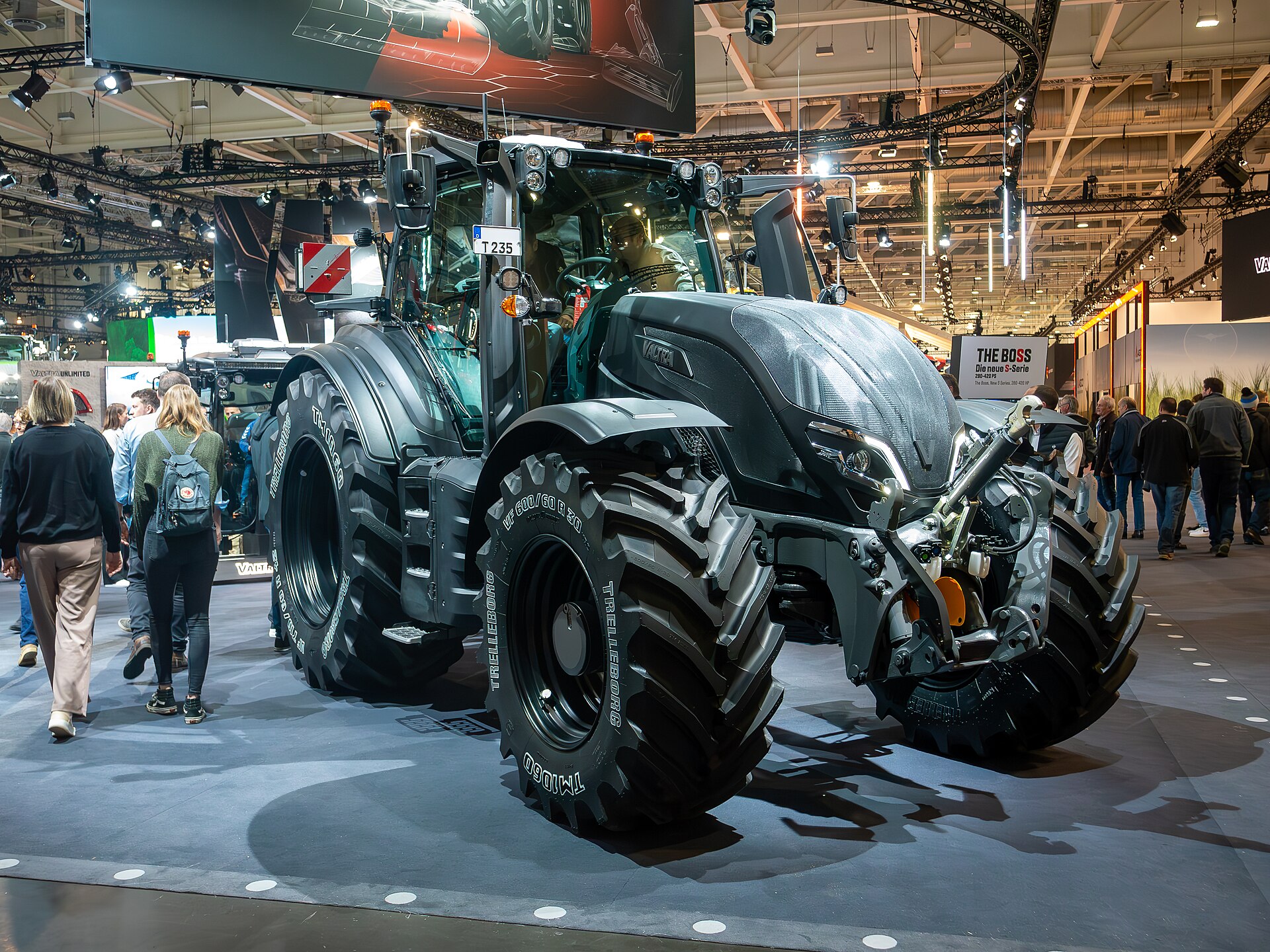
Why Good Questions Matter at High-Speed Finishing Events
I like trade fairs because they compress a lot of learning into a short time. I also treat them with healthy suspicion. A crowded booth can make every setup look proven, even when the result depends on a very specific machine, holder, material condition, and operator routine. Good questions slow that down in a helpful way.
Good questions do three jobs at once:
- They reveal fit. You learn whether the shown process actually belongs in the same conversation as your part family.
- They reveal evidence. You move from “this looks smooth” to “this was measured this way, with these assumptions.”
- They reveal support quality. You find out whether the exhibitor can help after the event or only during the applause portion.
That matters at CIMES, IMTS, and AMB because each event can put dozens of promising solutions in front of you very quickly. If your questions are vague, your notes will be vague. If your notes are vague, the follow-up call becomes a polite replay of uncertainty.
A practical next step is to decide in advance what you need to prove. Do you need a better surface finish on hardened steel? Less polishing on aluminum housings? More predictable tool life on thin-wall features? Once that is clear, the booth conversation changes from “show me what you have” to “show me how this would behave in my conditions.”
Before You Go: Define Your Target Part and Finish Requirements
Before you change anything, build a one-page worksheet. Keep it simple enough that you will actually use it while standing in a noisy hall. I recommend printing it or keeping one identical note template on your phone so every exhibitor gets measured against the same standard.
| Worksheet field | What to write down | Why it matters at the booth |
|---|---|---|
| Part family | Mold component, housing, dental part, die, insert, or another repeatable part type. | Exhibitors can only give useful guidance if they know the geometry class. |
| Material and hardness | Exact alloy, hardness range, and heat-treatment condition. | High-speed finishing data changes quickly when the material changes. |
| Critical features | Thin walls, deep cavities, narrow radii, floor finish, edge quality, or micro features. | The hardest feature usually determines whether the solution is realistic. |
| Finish target | Required Ra or comparable finish goal, plus tolerance expectation. | A booth sample looks good to everyone until a measurement method shows up. |
| Current pain point | Chatter, rework, inconsistent tool life, long cycle time, burrs, or heat marks. | The exhibitor should answer your real bottleneck, not a generic finishing story. |
| Machine and holder reality | Your machine class, spindle limits, holder types, and coolant constraints. | This keeps you from comparing a premium demo cell to a very different production setup. |
Here is the short version I would carry into the hall:
- Must-have: the surface finish and tolerance I need to protect.
- Known constraint: the machine, holder, and coolant limits I cannot wish away.
- Decision target: whether I need a test cut, a sample review, or a new tooling conversation.
This worksheet also makes your internal conversations easier after the event. Purchasing, quality, and production rarely need another glossy brochure. They need the part family, the risk, the likely gain, and the assumptions behind the recommendation.
Booth Questions That Reveal Capability
Capability questions tell you whether the exhibitor can reach your finish requirement on the kind of part you actually make. This is where you ask about the part, the surface, and the tolerance window, not just the brand name on the cutter.
- Which part features is this setup built to finish well? Ask for specifics such as floor finishing, wall finishing, corners, ribs, or micro features.
- What finish target is this demo designed to hit? If the answer is only visual, keep asking.
- How is surface roughness being measured? Probe, profilometer, microscope image, or visual comparison card all mean different things.
- What tolerance band can you hold reliably in this setup? “Reliably” is the important word.
- What changes first when the part geometry gets more difficult? This often reveals the real process limit.
Example: if you are finishing a hardened cavity with tight corner detail, a beautiful broad surface sample is not enough. Ask for comparable geometry, comparable hardness, and the measurement method. If you are finishing aluminum housings, ask how the setup manages burrs and edge condition on exit points. Similar shine does not mean similar process fit.
When an exhibitor answers well, the explanation usually sounds calm and specific. You hear the material, the target finish, the holder assumption, and the limits. When the answer stays broad, treat that as information too.
Booth Questions That Reveal Process Stability
Capability wins the first minute. Stability decides whether the process survives contact with production. This section is often where the best booth conversations begin, because application engineers usually have much more to say once you move past headline speeds.
- What holder type and runout control are assumed for this result?
- What tool life pattern do you expect when the process is healthy?
- What signs show that stability is starting to fall off? Chatter marks, heat tint, finish drift, edge wear, or rising spindle load can all matter.
- How sensitive is this setup to stickout length?
- What coolant strategy is recommended, and when would you switch it?
- How does the process change on a less rigid machine?
A good stability answer helps you picture the process over time, not just during a single clean pass. I want to hear how the exhibitor watches wear, how they define a replacement point, and what they would change if the machine were less rigid than the one on display. Those answers usually separate practical support from theatrical confidence.
If you only ask, “How long does the tool last?” you will get a number with very little meaning. A better question is, “What does stable wear look like in this application, and which setup variables move that result the fastest?” That answer gives you something you can actually check later.
Booth Questions That Reveal Productivity
Productivity questions are helpful, but they need guardrails. Faster finishing is valuable only if it still gives you the required quality and repeatability. This is where I would ask for practical ranges rather than one dramatic number.
- What spindle speed, feed, and engagement range is this result based on?
- Which variable is most likely to change when moving to our machine class?
- What cycle-time reduction is realistic before secondary finishing becomes unnecessary?
- How much setup or changeover effort does this approach add?
- What sample size supports the productivity claim? One part, a small run, or repeat production all mean very different things.
Listen carefully for tradeoffs. If the exhibitor promises better finish, shorter cycle time, lower wear, and no setup sensitivity at all, you are no longer in the land of machining. You are in the land of booth coffee. Real answers include conditions and boundaries, and that is a good sign.
Booth Questions That Reveal Integration
Integration questions matter because a finishing tool rarely succeeds alone. Workholding, CAM strategy, measurement routine, and feedback between departments all influence the result. These are easy questions to skip when the machine is running, but they often determine whether a promising demo can become a repeatable process.
- What workholding approach supports this finish result?
- Which CAM path style or step-over logic is assumed?
- How is measurement fed back into parameter adjustment?
- Can the setup be supported through a trial plan or application review after the event?
- What documentation can you provide for a cross-functional review with production and quality?
This is also a natural place for internal links that help the reader continue the conversation after the event. If your team wants help comparing options or planning a technical follow-up, the site’s services page and contact page give you a clear next step. If you want more examples before you travel, the blog includes other trade-fair and finishing guides.
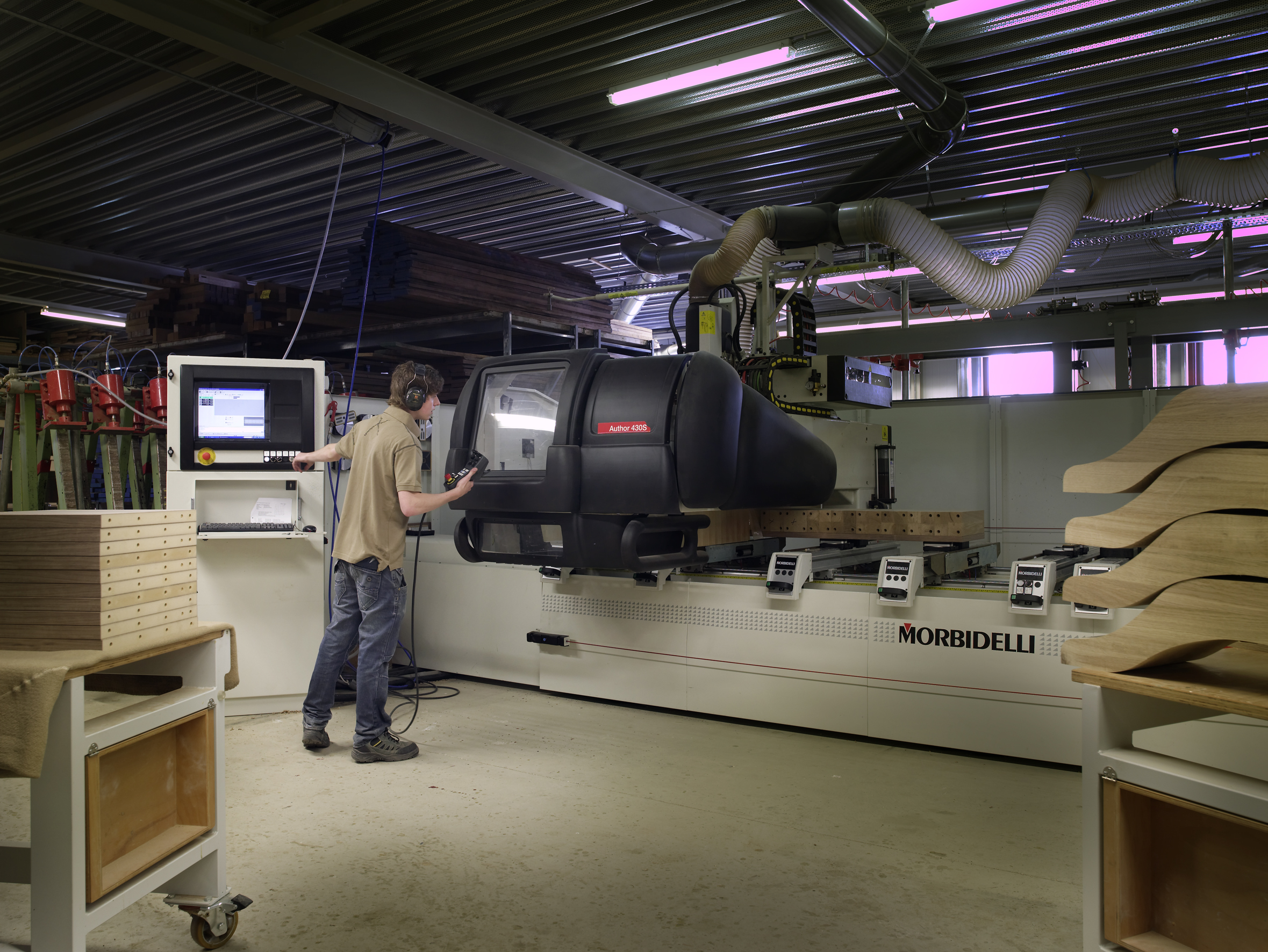
How to Evaluate Answers on the Spot: Scorecard Rubric and Evidence to Request
The fastest way to lose value at an event is to trust your memory. A simple rubric solves that. I recommend scoring each exhibitor from 1 to 5 across four areas: capability, stability, productivity, and integration.
| Score | What it means | Evidence you should request |
|---|---|---|
| 1 | Very weak fit. The answer is generic or clearly unrelated to your application. | No follow-up unless a later conversation reveals a better match. |
| 2 | Possible fit, but major assumptions are unclear. | Basic application note, part examples, and holder assumptions. |
| 3 | Plausible fit with some useful detail, but evidence is partial. | Starting parameters, measurement method, and sample geometry notes. |
| 4 | Strong fit with specific answers and a practical next step. | Trial plan, recommended tooling stack, and support contact. |
| 5 | Very strong fit supported by relevant evidence and a clear follow-up path. | Comparable case material, parameter ranges, measurement method, and named technical owner. |
For each booth, I would write down:
- Part match: close, partial, or weak.
- Best evidence shown: measured sample, process explanation, application note, or only verbal description.
- Main risk: machine rigidity, stickout, coolant, geometry mismatch, or unclear support.
- Next action: request data, schedule call, send drawing, or remove from shortlist.
If your team wants to turn that scorecard into a simple internal tool instead of another spreadsheet, a neutral option is to prototype it with a web app generator. That is not necessary for most teams, but it can be a useful resource if several people need to compare booth notes in one place.
Collecting Contacts and Next Steps: What to Write Down and What to Email Within 24 Hours
Collecting contacts sounds obvious, yet it is where a surprising amount of value disappears. A badge scan without context is not much help later. You need the right person, the right detail, and the right next question.
Write this down before you leave the booth:
- Name, role, and direct email of the application or technical contact.
- The exact tool family or setup discussed.
- The part type or material that made the conversation relevant.
- Any promised follow-up document, sample review, or call.
- The one risk or assumption that still needs validation.
Then send a short email within 24 hours. Keep it plain and useful. Mention the event, the part family, the finish target, and the exact follow-up you need. For example:
Thank you for the discussion at the booth today. We are evaluating finishing options for hardened steel cavity features with a stable surface finish requirement and limited holder stickout flexibility. Could you send the starting parameters, holder assumptions, and the best technical contact for a sample review next week?
That message does two useful things. It refreshes the conversation while it is still recent, and it shows whether the exhibitor can respond with the same clarity they used at the booth. If the answer comes back vague, that is worth noting too.
Common Pitfalls: Questions That Sound Good but Do Not Lead to Decisions
Some questions sound intelligent and still leave you with nothing actionable. Here are a few common examples and the better alternatives that usually produce clearer answers.
| Weak question | Why it falls short | Better alternative |
|---|---|---|
| How fast can it run? | It invites a headline number without context. | Which speed and feed range supports this finish target on a comparable part, and what assumptions sit behind it? |
| How long does the tool last? | The answer is usually too broad to compare. | What wear pattern do you expect in this application, and what is your replacement trigger? |
| Can this work on our machine? | It is too open-ended and encourages a polite yes. | What would you change first if this moved to our spindle range, holder type, and stickout limit? |
| Is this your best finishing tool? | Best for which part, material, and goal? | For our material and feature type, which tool geometry would you start with, and why? |
The pattern is simple. Strong questions name the part, the goal, the constraint, and the evidence you need. Weak questions invite a broad answer that sounds good and ages badly.
Key Takeaways Before You Head to the Hall
- Arrive with a worksheet. Define the part family, material, finish target, and machine reality before the event starts.
- Ask questions that expose evidence. Capability, stability, productivity, and integration all matter, but only if the answers are specific.
- Score each booth the same way. Memory is generous; a simple rubric is not.
- Send the follow-up email quickly. Within 24 hours is ideal while names, samples, and promises are still easy to match.
If you want one final rule to carry with you, make it this: leave every worthwhile booth with a measurable next step. A sample review, a parameter sheet, a technical call, or a trial plan is enough. Without that, even a very polished conversation tends to stay exactly where it happened: on the show floor.